The 2025 Mo Ibrahim Foundation Forum Report, released after the Ibrahim Governance Weekend in Marrakech, presents one of the most compelling blueprints yet for Africa’s economic transformation. Its message is clear: Africa must become an active architect of global finance, not a passive recipient.
From Aid Dependency to Financial Sovereignty
As traditional development aid declines, the continent faces both a challenge and an opportunity. The report notes that Africa’s share of global aid has dropped from 37% to 26% over the past decade. Yet, far from signalling crisis, this marks the beginning of a new financial era — one where domestic resource mobilisation and private investment take centre stage.
Africa’s future will not be built on aid, but on its own fiscal strength, financial innovation, and good governance. The vision is rooted in the African Union’s Agenda 2063, which calls for up to 90% of Africa’s development financing to come from within — through smarter taxation, pension funds, remittances, and monetisation of natural resources.
Tapping Into Africa’s Hidden Wealth
The report paints a stark picture of contrasts: Africa generates approximately $920 billion annually through taxes, sovereign wealth funds, pension funds, and remittances — yet nearly the same amount, $940 billion, leaks out through debt servicing, illicit financial flows, and tax exemptions.
- Illicit financial flows drain an estimated $90 billion a year — more than the continent receives in aid.
- Debt service consumes nearly 14% of government spending, double the budget for health.
- Pension funds worth $220 billion and sovereign wealth funds valued at $130 billion remain largely untapped for local investment.
- Remittances contribute over $90 billion annually, but high transfer costs limit their developmental impact.
To bridge this gap, Africa must prioritise domestic capital mobilisation, efficient governance, and the formalisation of informal economies to expand the tax base.
From Extraction to Empowerment
Africa holds nearly 30% of the world’s mineral reserves, including over 70% of critical minerals for the global green economy. The report calls for a decisive shift from extraction to value addition — investing in processing, refining, and industrialisation to ensure the continent benefits directly from its own resources.
Similarly, Africa’s renewable energy, blue economy, and agricultural potential remain underdeveloped. Harnessing these sectors could generate trillions in sustainable value, positioning the continent as a green growth powerhouse.
Building Investor Confidence
Despite offering the world’s highest investment returns, Africa still attracts less than 4% of global FDI. The paradox lies in perception — persistent risk premiums, inconsistent regulations, and limited financial transparency. The report urges African nations to strengthen the rule of law, enhance policy stability, and establish an African Credit Rating Agency to fairly represent continental creditworthiness.
A critical takeaway is the need for intra-African investment. Today, only 14% of FDI in Africa originates from African investors. Encouraging African pension funds, corporates, and high-net-worth individuals to invest domestically is essential to closing the development finance gap.
Governance and Integration as Catalysts
Financial autonomy cannot exist without governance and stability. The report underscores that accountability, peace, and effective institutions are the bedrock of growth. Equally, implementing the African Continental Free Trade Area (AfCFTA) and Agenda 2063’s flagship projects — from high-speed rail networks to energy interconnection — will define Africa’s economic integration in the coming decades.
A New Consensus for a New Era
The Marrakech forum concluded with a shared vision across African policymakers, financiers, and global institutions:
- Africa’s development model must be led by ownership, responsibility, and accountability.
- Domestic resources and private capital are the continent’s greatest financing tools.
- Governance reform, stability, and regional collaboration are essential enablers.
- Global finance systems must evolve to reflect Africa’s demographic and economic weight.
This renewed confidence marks a fundamental shift — Africa is no longer waiting to be financed; it is ready to finance its own future.
Strategic Relevance for the UK–Africa Business Summit
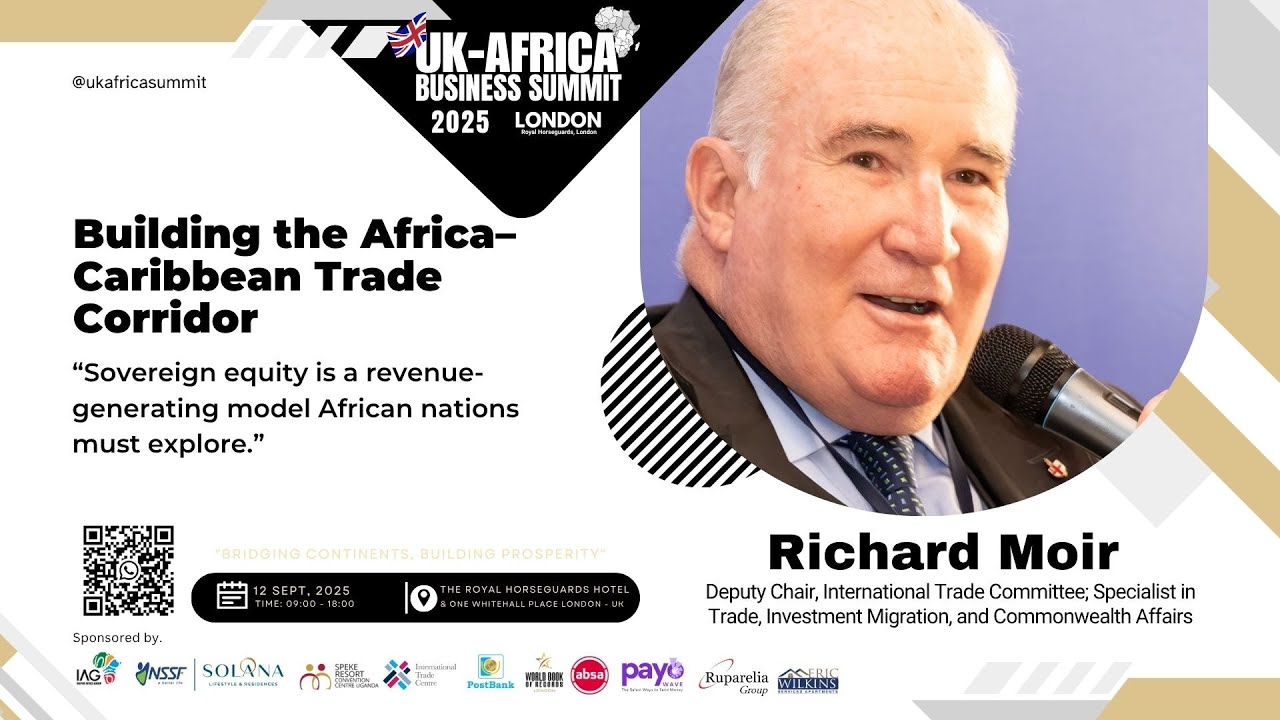
The findings from the Mo Ibrahim Foundation report directly complement the UK–Africa Business Summit’s 2026 agenda. Both share a vision for transformative investment partnerships, blending capital with governance, sustainability, and innovation.
By integrating these insights into summit dialogues — particularly in sessions on blended finance, domestic capital mobilisation, and ESG investment — the Summit can reinforce its role as the leading platform driving credible, high-impact UK–Africa economic cooperation.
📊 Source: Mo Ibrahim Foundation, 2025 Forum Report: Financing the Africa We Want
🌐 Read the full report
#UKAfricaSummit #UKAS2025 #Investment #Governance #FinancingAfrica #BlendedFinance #Agenda2063