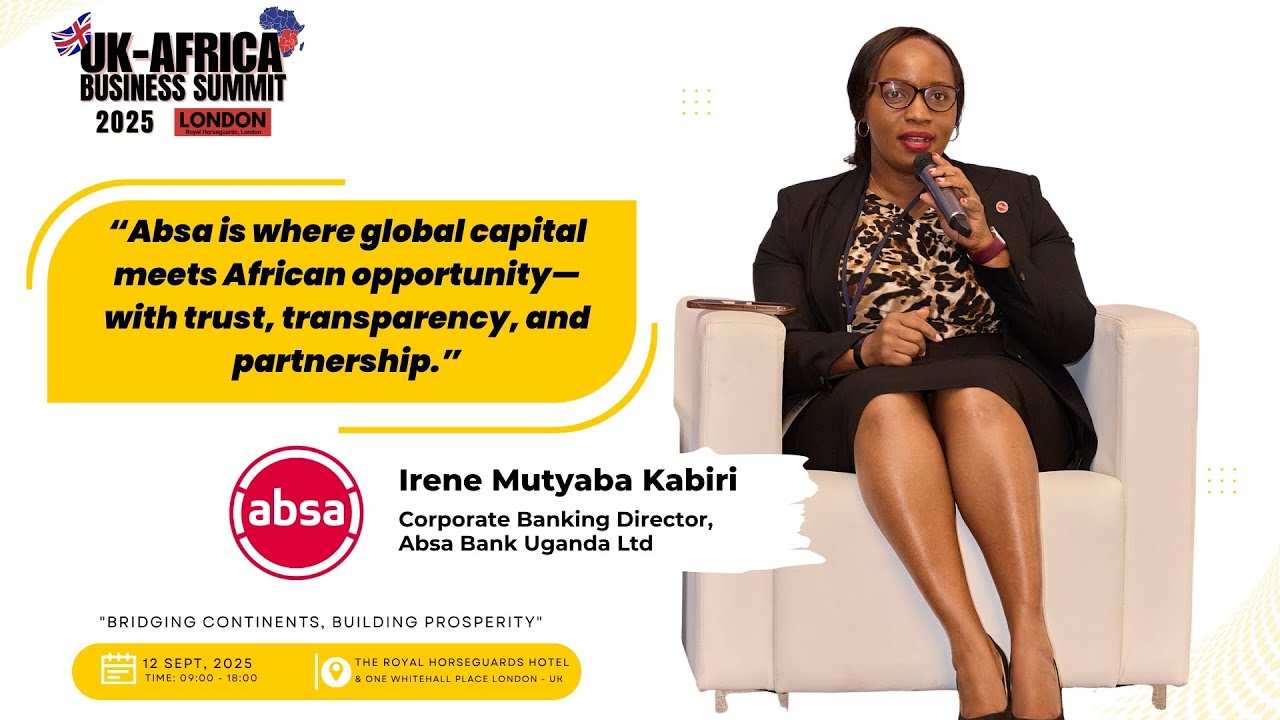
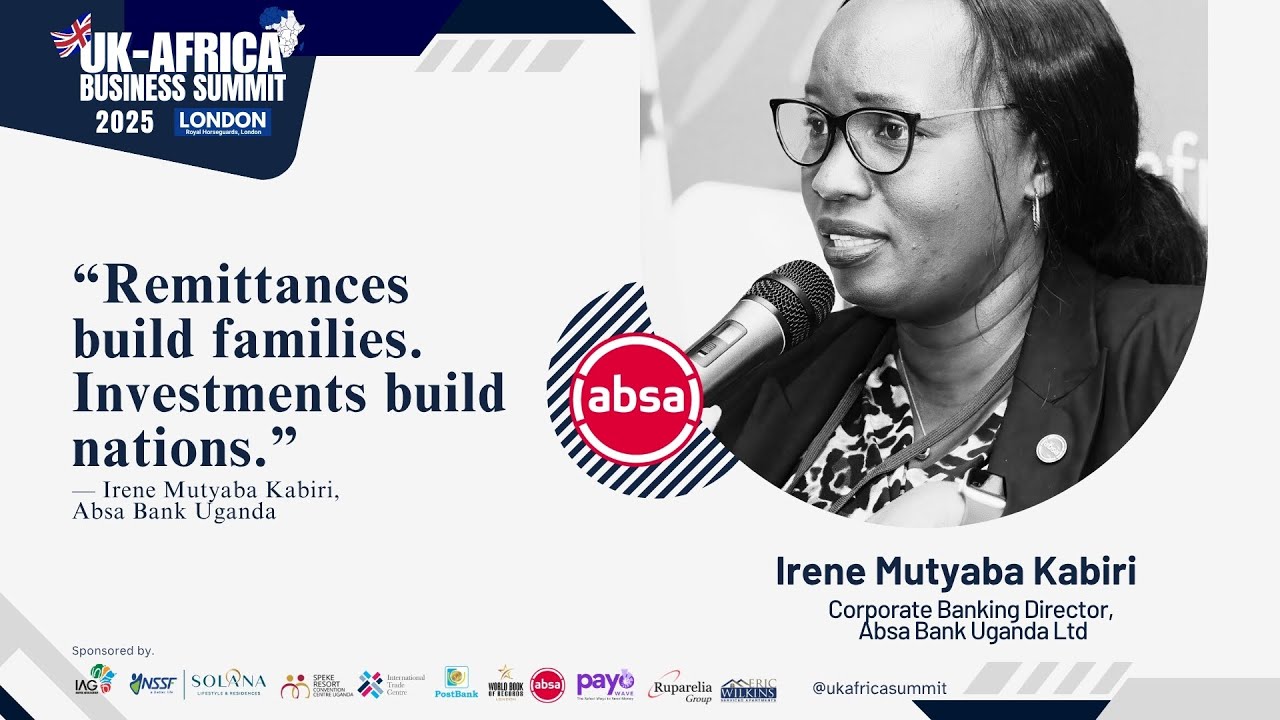
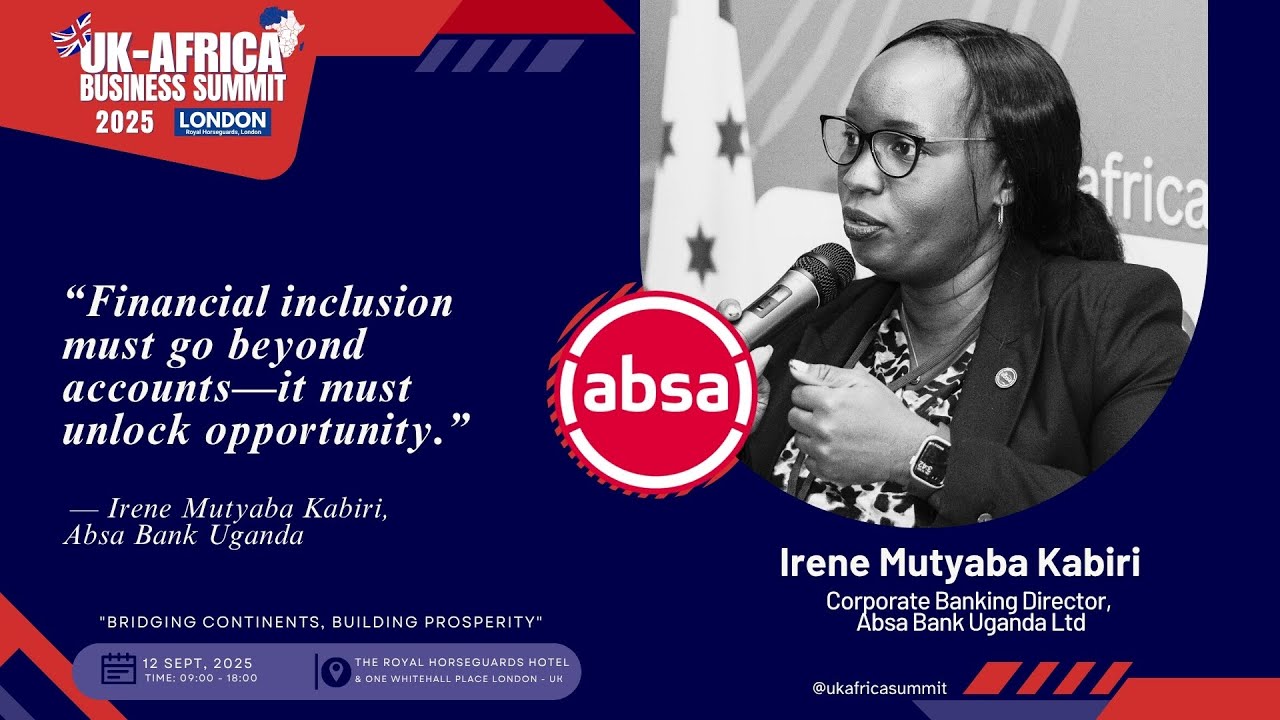
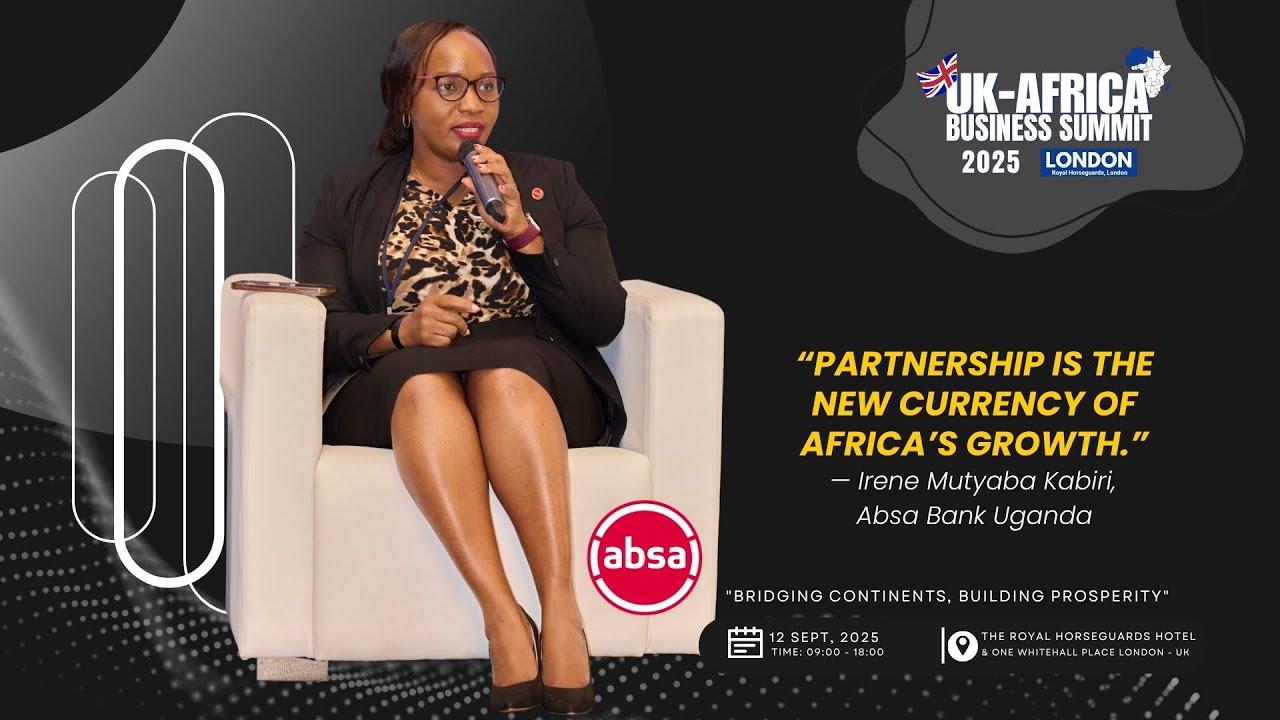
Insights from Irene Mutyaba Kabiri
Corporate Banking Director, Absa Bank Uganda Ltd
📍 UK–Africa Business, Trade & Investment Summit 2025
📅 12 September 2025 | The Royal Horseguards Hotel & One Whitehall Place, London
Strategic Overview
At the 15th UK–Africa Business, Trade & Investment Summit 2025, Irene Mutyaba Kabiri, Corporate Banking Director at Absa Bank Uganda, delivered a compelling address on how insurance-enabled finance can redefine Africa’s growth trajectory. Speaking on the Financing Africa’s Growth panel, she asserted that insurance is not merely a safety net but a cornerstone of sustainable development.
“Insurance isn’t just about protection; it’s about unlocking capital.” – Irene Mutyaba Kabiri
Kabiri emphasised that integrating insurance with banking is essential for expanding credit access to SMEs, agribusinesses, and infrastructure developers — the backbone of Uganda’s inclusive growth strategy.
Insurance Penetration and Financial Resilience
Uganda’s insurance penetration remains below 1% of GDP — a figure far lower than regional averages — limiting access to long-term capital. Absa Bank Uganda is addressing this gap through blended finance models that combine credit and insurance tools to reduce systemic risk.
- Partnerships with UK and local insurers to design credit-enhancement instruments lowering default risk.
- Insurance-backed lending frameworks replacing traditional collateral with risk-based guarantees.
- Parametric and micro-insurance products protecting smallholder farmers and informal enterprises from climate and market shocks.
“We can’t grow economies when risk remains unshared. Insurance brings confidence — and confidence brings capital.”
Inclusion and Protection for Vulnerable Groups
Kabiri highlighted Absa’s partnerships with microfinance institutions and impact insurers focused on women, youth, refugees, and vulnerable families. Through embedded insurance, small loans now include health, life, and business coverage — enhancing both social protection and financial stability.
“Inclusive finance means empowering those who have been unseen — not with charity, but with tools that sustain their dignity.”
Trade Finance and Risk Mitigation
Addressing the challenges faced by SMEs in trade finance, Kabiri called for innovation in how financial risk is assessed and shared.
“It’s not about saying ‘no’ or making it five times the cost. We’re innovating how trade finance is structured.”
Absa is piloting data-driven collateral models and buyer–supplier transparency systems that reduce risk premiums and enhance liquidity — allowing smaller exporters to compete globally.
Credit Ratings and Financial Sovereignty
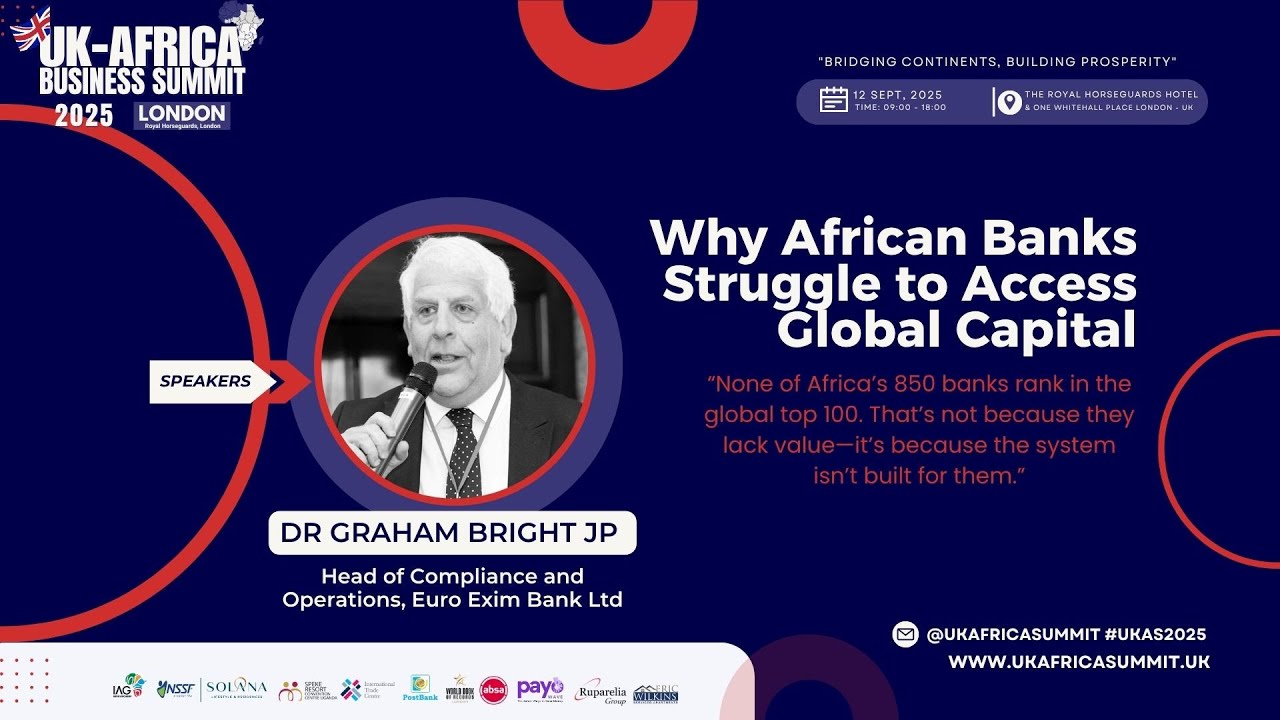
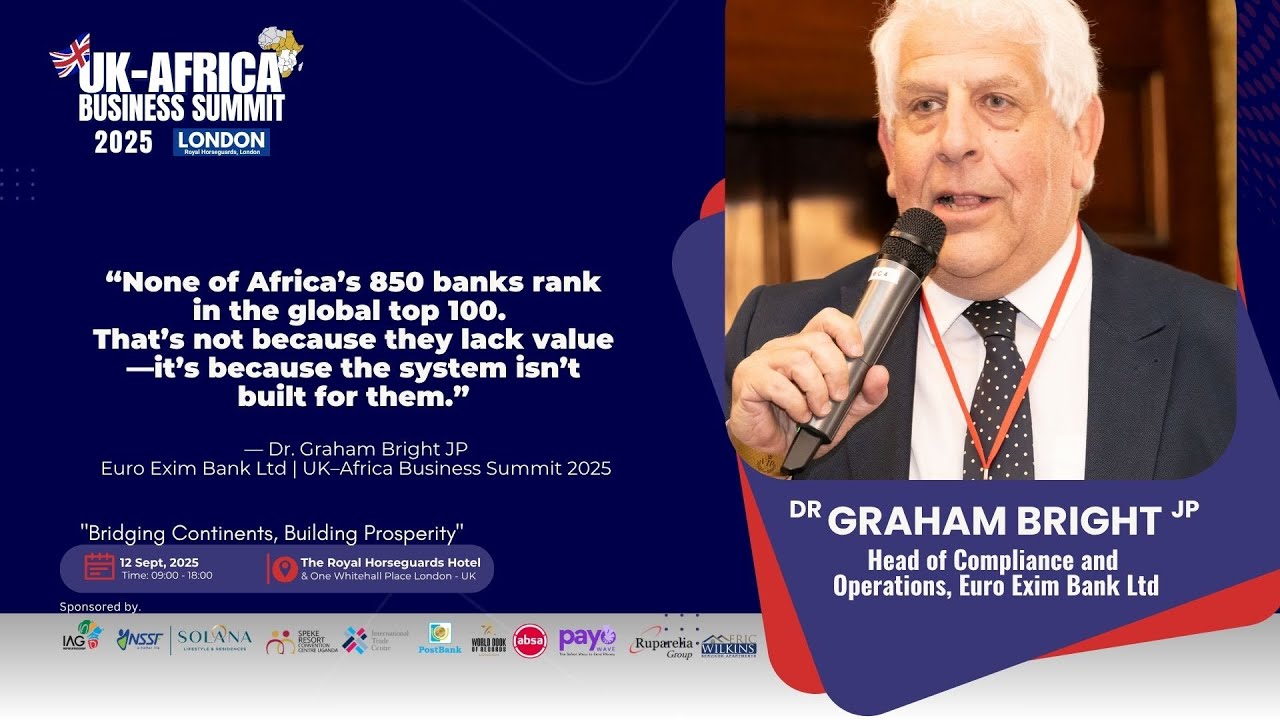
Kabiri also drew attention to the structural imbalance in global credit ratings, noting that no African bank ranks among the world’s top 100. She called for an African-centred framework — one that measures opportunity, not just risk — referencing Project 54, an initiative to harmonise banking, payments, and credit-rating systems across the continent.
“Our systems must reflect our realities — and our potential.”
Insurance as a Catalyst for Investment
Highlighting insurance as “the invisible infrastructure” of economic transformation, Kabiri noted its role in unlocking investment for large-scale projects where conventional collateral is insufficient. She outlined key priorities for policymakers and investors:
- Developing political-risk and credit-insurance products to attract international investors.
- Bringing global insurers with impact mandates into African markets.
- Promoting regulatory innovation and mobile-first insurance distribution for accessibility.
“Insurance is the invisible infrastructure behind every successful investment.”
Regional and UK–Africa Trade Dynamics
With intra-African trade at only 16% and UK–Africa trade at just 3%, Kabiri underscored the need for trust-based value-chain integration. A modest 10% increase, she argued, could be transformative, unlocking billions in economic value and employment opportunities.
Investor Call to Action
Kabiri ended with a call for innovation and partnership across the financial ecosystem.
“Finance the future differently. Partner with us to design risk-sharing instruments that open capital to those building Africa’s tomorrow.”
She urged investors, insurers, and development institutions to co-create digital and inclusive financial solutions that empower Africa’s entrepreneurs, deepen resilience, and drive equitable growth.
Key Takeaway
Insurance is no longer peripheral to banking — it is the engine of inclusive, scalable finance. Through integrated models linking insurance, credit, and technology, Absa Bank Uganda is reshaping how Africa manages risk, mobilises capital, and builds resilience.
“A resilient financial ecosystem, underpinned by innovation and collaboration, is the bridge to Africa’s full economic potential.”