Origins of the Tripartite Framework
The initiative traces its roots to strategic engagements held during the 15th UK–Africa Business Summit in London in September 2025. During those discussions, stakeholders agreed that the platform should move beyond traditional UK–Africa engagement and deliberately integrate South Asian markets — particularly India — into a structured trilateral investment model.
The South Asia and Indian dimension was introduced strategically. Indian commercial corridors influence substantial segments of the UK supply chain and global agribusiness trade flows. Aligning Uganda within these established networks enhances market access, improves value-chain efficiency and accelerates industrial growth.
Following consultations between Willy Mutenza, Mahendrasinh C. Jadeja, Chairman of the South Asia Chamber of Commerce and Industry (SACCI), and Nimisha Madhvani, Uganda’s High Commissioner to the United Kingdom, both delegations were strategically merged. The decision avoided duplication of effort and created a unified investment front aligned across key sectors.
The mission was jointly coordinated with:
- The Uganda High Commission in London
- The British High Commission in Kampala
- The Office of the Prime Minister
- The UK–Africa Business Summit platform
Purpose of the Trade Mission
The delegation’s mandate was structured around five core objectives:
- Strengthen trade and investment collaboration between Uganda, the UK and India
- Identify priority sectors for scalable, high-impact investment
- Promote industrialisation, value addition and joint ventures
- Position Uganda as a gateway to East Africa and AfCFTA markets
- Establish structured follow-up mechanisms for long-term cooperation
This was not a ceremonial visit. It was designed as a working mission — one that combined political engagement, site inspections and technical discussions aimed at turning dialogue into deliverables.
Sectoral Focus of the Indian Delegation
The SACCI delegation represented diverse commercial interests across high-growth sectors, including:
- Manufacturing and industrial assembly
- Agro-processing and freeze-dried food production
- Pharmaceuticals and healthcare supply chains
- Renewable energy systems
- Construction chemicals and industrial materials
- Logistics and trade platforms
- ICT, digital education and business process outsourcing (BPO)
- Tourism and hospitality infrastructure
During engagements with the Rt. Hon. Prime Minister Robinah Nabbanja, Ministry of Finance leadership, and industrialisation discussions with Salim Saleh, the delegation observed strong policy alignment toward value addition and industrial expansion.
A visit to Namunkekera (Kapeeka) Industrial Park further reinforced Uganda’s readiness for scalable manufacturing partnerships. The decentralised industrial cluster model was identified as particularly suitable for joint ventures that combine Indian production expertise with Ugandan processing and labour advantages.
The Trilateral Investment Model
A clear framework emerged from the discussions:
- Indian manufacturing capability
- Uganda-based production and value addition
- UK structuring, advisory services and capital access
This corridor model is designed to:
- Reduce investment risk through diversification
- Mobilise capital more efficiently
- Strengthen export competitiveness into AfCFTA and European markets
- Improve supply-chain resilience
By integrating production, financing and advisory mechanisms across three economic ecosystems, the model aims to transform isolated investments into coordinated industrial pipelines.
A Personal Commitment to Economic Diplomacy
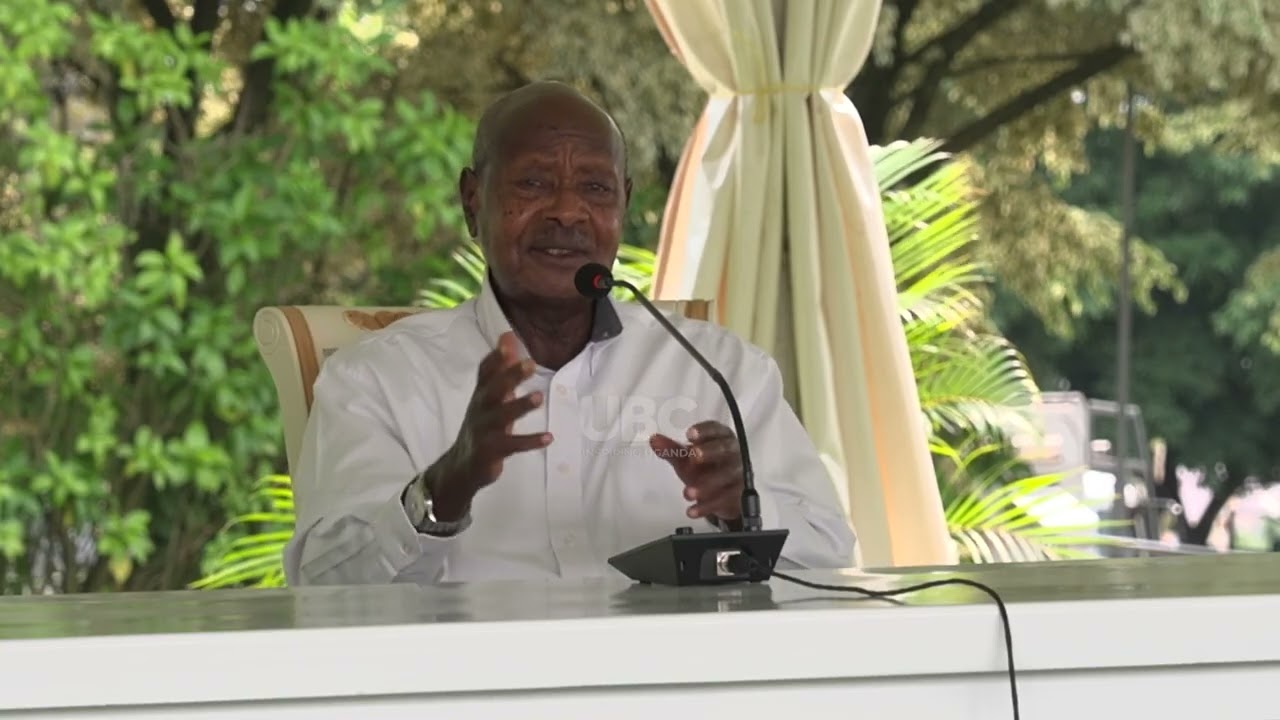
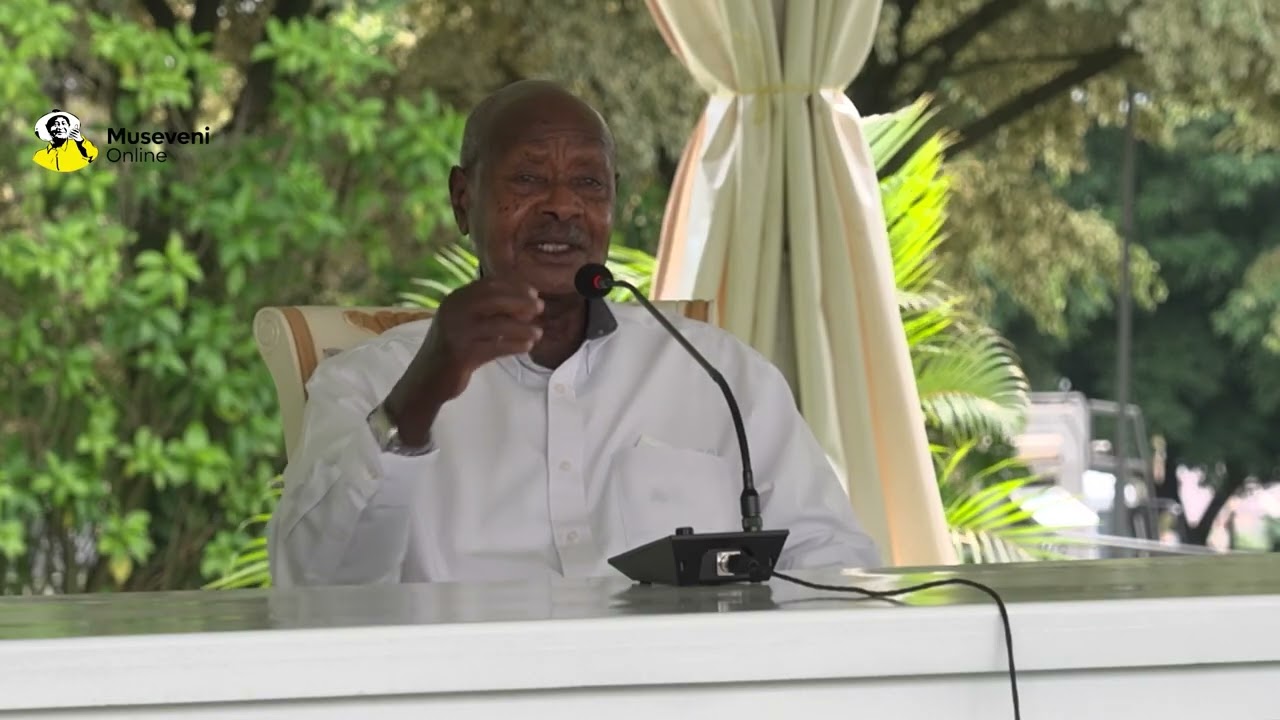
One of the defining moments of the mission came when President Museveni revealed that Willy Mutenza had declined financial support from State House to run the initiative, opting instead to sustain the platform personally.
Since its inception, Mutenza has invested over £1 million of his own resources into developing the UK–Africa Business Summit ecosystem. During the February mission, SACCI delegates were accommodated without charge, with transport, logistics and catering facilitated by the Summit platform.
“We decided to look after investors,” Mutenza explained. “Most first-time travellers to Africa hesitate due to cost and security perceptions. We remove those barriers so they can explore Uganda with confidence.”
He further revealed that the initiative was inspired by a letter written to him by President Museveni in 2005, encouraging stronger commercial linkages between Uganda and the United Kingdom. With support from strategic partners, including Mumtaz Kassam, he has since led multiple delegations aimed at institutionalising trade corridors.
SACCI’s Commitment to Structured Engagement
Speaking on behalf of the delegation, Mahendrasinh C. Jadeja expressed appreciation for the opportunity to engage Uganda “at this pivotal time in your industrial transformation journey.”
He reaffirmed SACCI’s readiness to:
- Facilitate structured joint ventures
- Support technology transfer
- Mobilise Indian manufacturing networks
- Engage UK capital markets
- Participate in sector-specific investment platforms
The delegation emphasised that Uganda’s macroeconomic stability, industrial policy clarity and geographic positioning offer strong fundamentals for scalable manufacturing investment.
Call for Structured Coordination
As a practical follow-up, Willy Mutenza formally requested the appointment of a coordinator under the Office of the Prime Minister to streamline investor engagement and reduce bureaucratic delays.
He stressed that disciplined project preparation and policy clarity would determine how quickly expressions of interest convert into bankable investments.
“With structured coordination and disciplined project preparation, this corridor can become one of the strongest UK–India–Africa investment platforms,” Jadeja remarked.
A Strategic Shift in Economic Diplomacy
The mission concluded with consensus to operationalise a Tripartite Working Group and institutionalise follow-up mechanisms through the UK–Africa Business Summit platform.
As Uganda advances its Ten-Fold Growth Strategy and industrialisation agenda, the emerging UK–India–Uganda corridor represents more than symbolic diplomacy. It signals a coordinated shift toward value-driven, globally integrated economic partnerships.
From London boardrooms to State House deliberations, the corridor is moving from concept to implementation — driven by private-sector leadership, anchored in political will and structured for long-term impact.
The February 2026 mission may well be remembered as the moment when trilateral economic integration between the UK, India and Uganda transitioned from aspiration to architecture.