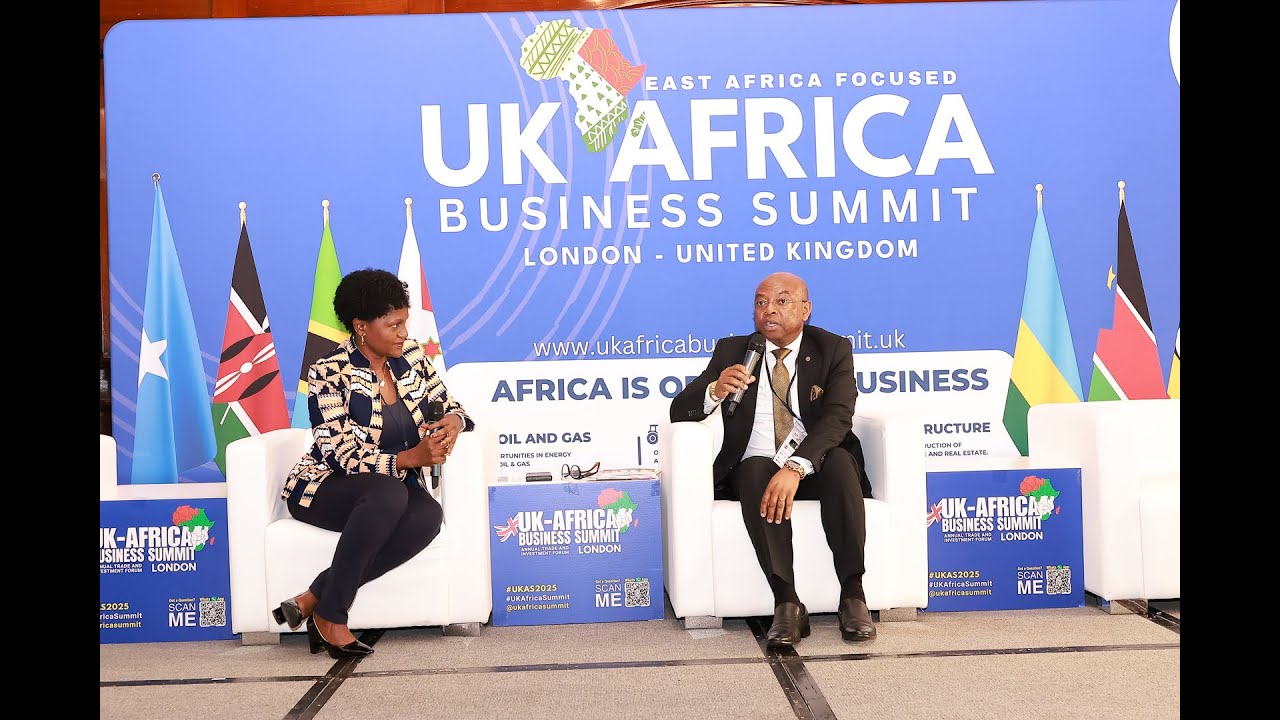
LONDON, United Kingdom — Uganda has unveiled a groundbreaking pro-business immigration reform designed to transform its borders into gateways for investment mobility, transparency, and national competitiveness. Speaking at the UK–Africa Business, Trade & Investment Summit 2025, Maj. Gen. Apollo Kasiita Gowa, Chief of the Directorate of Citizenship and Immigration Control (DCIC), announced sweeping governance reforms that position immigration not as a bureaucratic checkpoint, but as a strategic enabler of economic growth.
“Immigration is now a zero-corruption zone. Our system is built on transparency and trust,” declared Maj. Gen. Apollo Kasiita Gowa. “Uganda’s borders today stand for access, facilitation, and opportunity.”
Digital-First Immigration: Technology at the Core of Efficiency
Uganda’s immigration framework has been fully digitised, revolutionising service delivery for investors and travellers. Visa and permit applications are now processed entirely online through the Uganda Revenue Authority (URA), ensuring that all payments flow directly into the National Consolidated Fund — guaranteeing fiscal transparency and reducing opportunities for corruption.
Processing times have dropped from several weeks to just 24–48 hours, setting a new benchmark for efficiency across East Africa.
Visa Structure:
- Single-entry visa: USD 50
- Multiple-entry visa: Valid 1–2 years
Maj. Gen. Gowa highlighted that automation has eliminated manual interference and ushered in a new era of trust-based digital governance, reflecting Uganda’s broader vision for smart, service-oriented public administration.
Targeted Incentives for Productive Investment and Skills Development
To stimulate high-value investment and critical skill inflows, Uganda has reduced work permit fees for investors and professionals from USD 2,500 to just USD 400 — a bold move to attract contributors to priority sectors such as:
- Agro-processing and manufacturing
- Mineral beneficiation and refinery development
- Industrial innovation and critical skills transfer
“We are rewarding investors who create jobs and strengthen Uganda’s production base,” Maj. Gen. Gowa emphasized. “Immigration must not only enable entry but also empower enterprise.”
This investor-centred policy aligns directly with Uganda’s national industrialisation and value-addition agenda, led by Hon. Francis Mwebesa, Minister of Trade, Industry and Cooperatives.
Abolition of Security Bonds: A New Chapter in Investor Trust
In a decisive reform applauded by the private sector, Uganda has abolished the USD 2,500 security bond requirement for foreign workers. Instead, Corporate Responsibility Agreements (CRAs) now empower employers to guarantee employee conduct and repatriation obligations — a governance innovation that balances accountability with business freedom.
The reform frees up vital working capital for reinvestment, reinforcing Uganda’s reputation for predictable, investor-friendly policy-making.
Immigration Aligned with Trade, Industry, and National Competitiveness
Maj. Gen. Gowa underscored that these reforms are not isolated administrative upgrades but part of a cohesive national strategy linking immigration to trade, investment, and industrial policy.
The Directorate now works hand-in-hand with the Ministry of Trade and Industry, the Uganda Investment Authority (UIA), and the Uganda Revenue Authority (URA) to ensure immigration policy directly supports:
- Export diversification
- Industrial capacity growth
- Diaspora participation
- Skills transfer and human capital development
This approach transforms Uganda’s immigration system into a strategic pillar of economic governance, aligning mobility with long-term development objectives.
Residency by Investment: The Next Frontier
Looking to the future, Maj. Gen. Gowa revealed that Uganda is exploring a Residency-by-Investment Programme — an initiative that will grant long-term residence to credible investors contributing meaningfully to the national economy.
The programme aims to:
- Deepen diaspora engagement
- Strengthen investor confidence
- Enhance Uganda’s appeal as a destination for sustainable capital
“We are designing a framework where credible investors can make Uganda their second home,” Maj. Gen. Gowa noted. “Residency by investment is not just a policy; it’s a partnership with those building Uganda’s future.”
Integrated Vision: Mobility as a Foundation for Confidence
Maj. Gen. Gowa’s address complemented other governance leaders’ presentations at the Summit, together forming a cohesive narrative of reform and accountability:
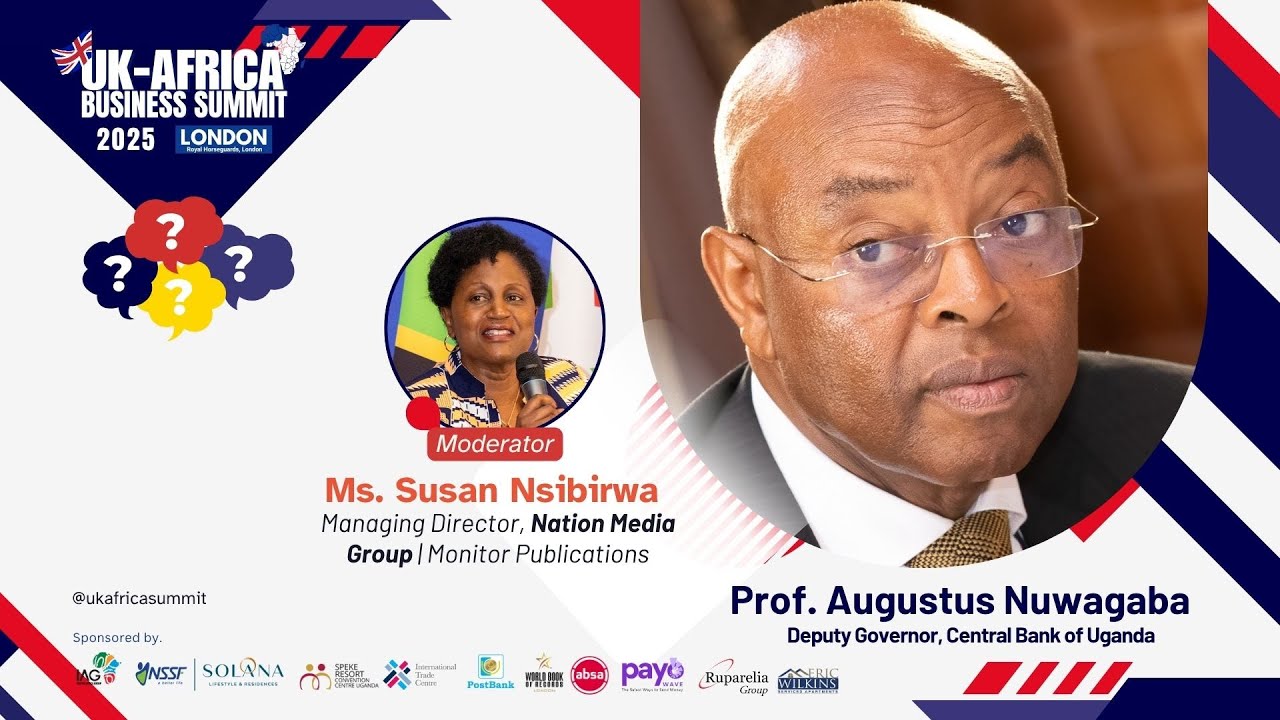
- Policy predictability safeguards capital – Prof. Augustus Nuwagaba
- Transparent governance protects investors – Col. Edith Nakalema
- Streamlined mobility enables access – Maj. Gen. Apollo Kasiita Gowa
This triad of reform demonstrates Uganda’s commitment to transparency, efficiency, and competitiveness as it positions itself as one of Africa’s most investor-ready economies.
“Uganda is open, secure, and ready — not just for visitors, but for investors building the future,” Maj. Gen. Gowa affirmed.
Key Takeaway
Maj. Gen. Apollo Kasiita Gowa’s leadership in transforming Uganda’s immigration governance marks a milestone in the nation’s investment and governance journey. By integrating digital systems, pro-business incentives, and inter-ministerial policy alignment, Uganda has proven that accessibility, transparency, and investor confidence are the new drivers of competitiveness.
Uganda’s immigration reform is not just administrative — it is a national development instrument, turning borders into bridges for inclusive, sustainable growth.