Uganda’s private sector stands at a turning point. We have industrial estates emerging as engines of transformation — yet most remain constrained by the limits of short-term finance. The challenge is not a lack of vision, but a lack of patient capital. If we are serious about accelerating Uganda’s industrialisation under Vision 2040, we must embrace new financing tools that blend profitability, sustainability, and transparency.
One such tool is the Green and Digital Bond — a mechanism that allows private estates like Namunkekera Industrial Park to raise long-term infrastructure financing both locally and internationally.
A Vision Rooted in Local Innovation
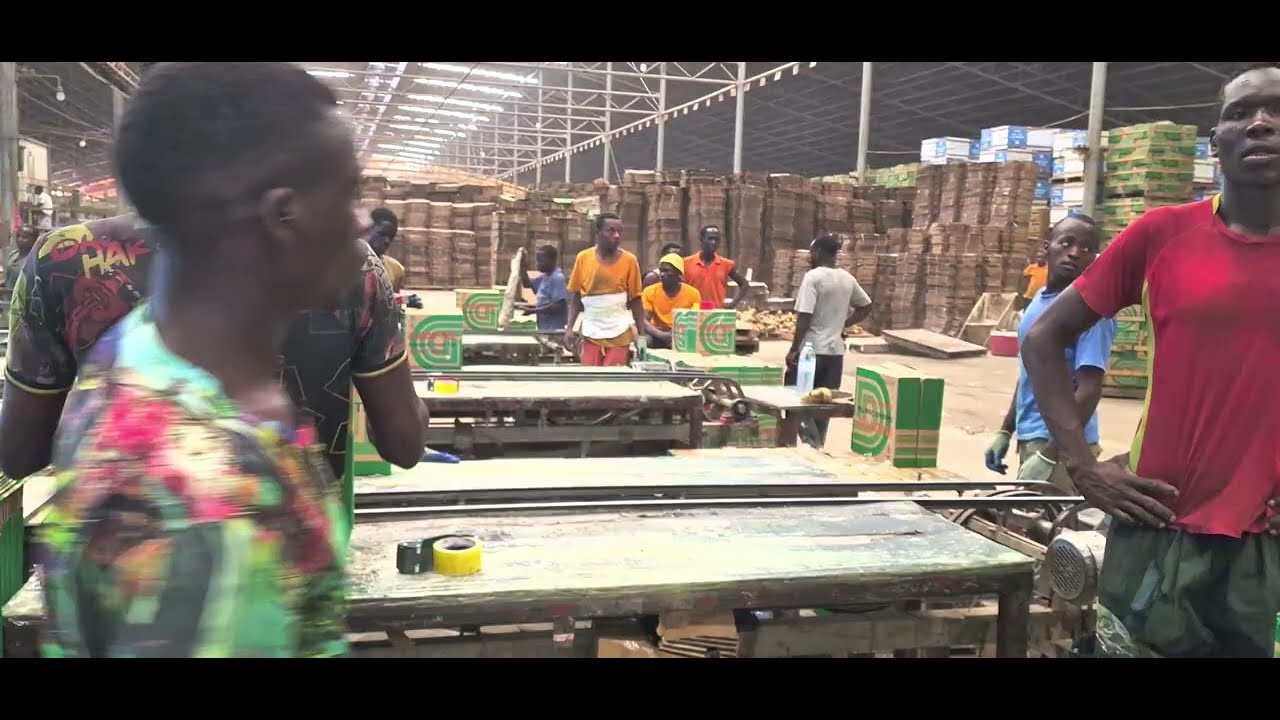
Namunkekera Industrial Park in Kapeka is a living example of what visionary leadership can achieve. Under the guidance of General Salim Saleh (Rtd), this park has transformed from a concept into a working industrial ecosystem — housing factories in agro-processing, construction materials, logistics, and renewable energy. It has become a model of inclusive industrialisation: empowering local entrepreneurs, creating jobs, and strengthening linkages between farmers, manufacturers, and exporters.
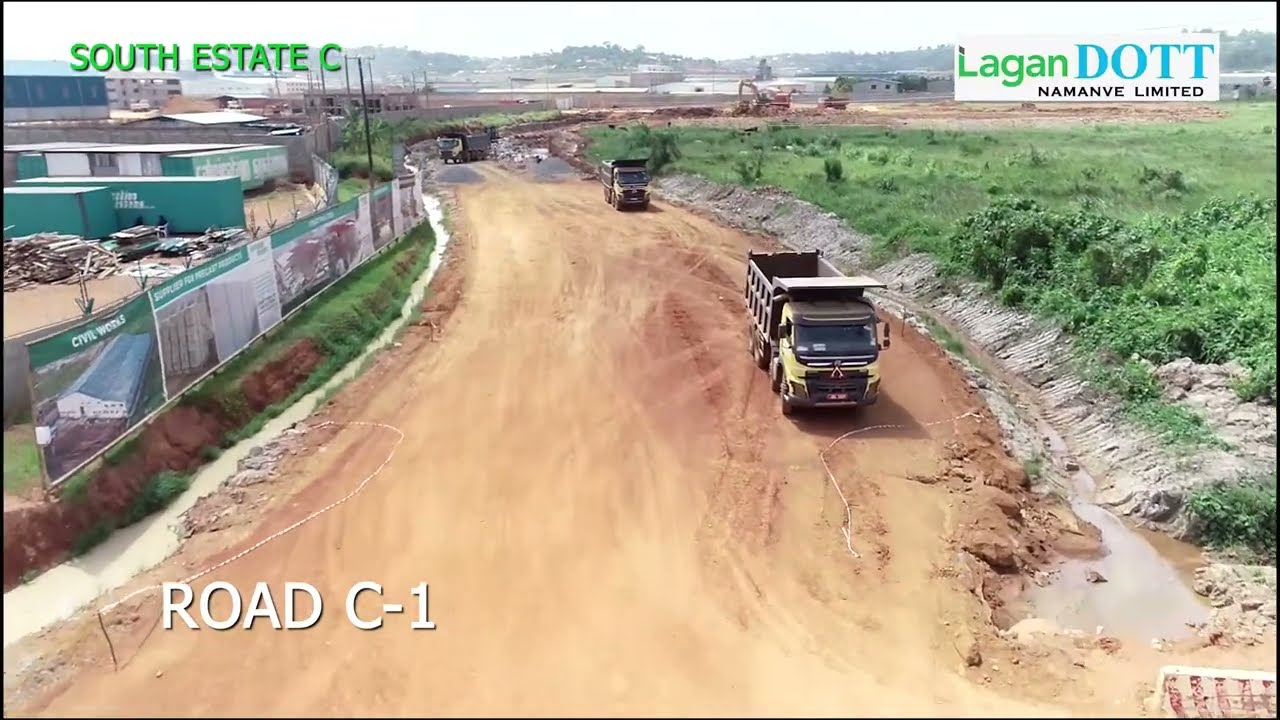
Gen. Saleh’s approach has always been pragmatic — build first, prove the concept, then attract sustainable capital to scale. Now, the next phase of Namunkekera’s evolution requires infrastructure expansion (roads, drainage, utilities, renewable power, digital systems) and green upgrades (waste management, solar energy, energy-efficient facilities). This is where a Green Infrastructure Bond becomes a natural next step.
A Practical Route to Sustainable Capital
Across Africa, successful case studies prove that private, revenue-backed assets can attract global investors when structured properly:
- Acorn Holdings (Kenya) issued a KES 4.3 billion corporate Green Bond — East Africa’s first — to finance certified housing, backed by a partial guarantee and listed in Nairobi.
- Access Bank (Nigeria) raised NGN 15 billion in Africa’s first Climate Bonds Initiative-certified corporate bond, oversubscribed by regional investors.
- Bank Windhoek (Namibia) pioneered commercial-bank Green and Sustainability Bonds listed on the NSX, demonstrating that smaller markets can still attract ESG-driven capital when frameworks and reporting are credible.
Each of these examples shows that investors respond not only to yield, but to impact and governance — transparent use of proceeds, verified sustainability outcomes, and credible post-issuance reporting.
Why Uganda Is Ready
Uganda has quietly built the regulatory foundation to support such innovation. The Capital Markets Authority (CMA) and the Uganda Securities Exchange (USE) updated their rules in 2025 to align with international listing and disclosure standards. The government, working with FSD Africa, is finalising the Green, Social and Sustainability (GSS) Bond Framework, while the National Green Taxonomy (2025) now defines what qualifies as an environmentally sustainable investment.
These steps matter because they provide confidence to both local pension funds and international investors that Uganda’s bond market is regulated, transparent, and ready for innovation.
Digital Bonds — Expanding Access
The success of Kenya’s M-Akiba Bond, which allowed citizens to invest in infrastructure directly through their phones, proves how digital rails can democratise finance. By enabling retail participation via mobile money and e-KYC, Uganda can empower its diaspora and domestic investors to buy into industrial growth.
Namunkekera could lead the way by introducing a dual-tranche structure:
- an Institutional Bond listed on USE, attracting pension funds and DFIs; and
- a Digital Retail Tranche distributed via licensed brokers, using mobile money for settlements.
This would make Uganda’s first digitally accessible Green Infrastructure Bond, a bold step in inclusive capital mobilisation.
Making Industrial Estates Bankable
For estates like Namunkekera to attract international funding, they must demonstrate predictable cash flows, transparent governance, and environmental accountability.
- Ring-fence revenues from leases, service charges, and utilities into an escrow account for bond repayment.
- Publish annual impact reports showing energy savings, waste reduction, and job creation.
- Engage independent ESG verifiers to certify compliance with ICMA’s Green Bond Principles.
This combination transforms an industrial estate from a local project into a bankable investment vehicle recognised by institutional investors globally.
The Role of the Private Sector
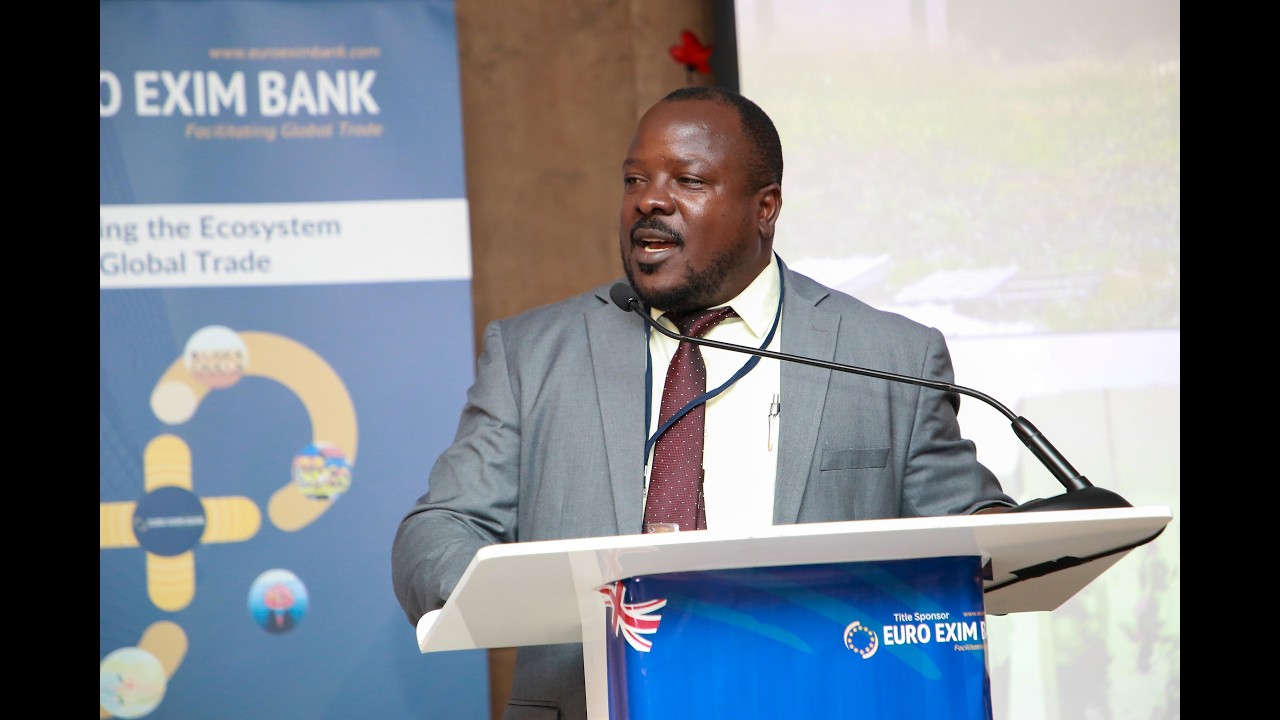
As Chairman of the UK–Africa Business Summit, I strongly believe that private industrialists must not wait for government funding alone. Bonds — particularly Green and Digital Bonds — offer a structured way to raise affordable capital while aligning with ESG goals that global investors now prioritise.
“By issuing a green and digital bond, the private sector transforms from a passive infrastructure recipient into a proactive capital-market participant — allowing estates like Namunkekera to raise long-term funding locally and abroad while delivering measurable industrial growth.” — Willy Mutenza
A Legacy of Vision and Action
General Salim Saleh’s industrialisation drive laid the groundwork for Uganda’s private-sector renaissance. The Namunkekera model demonstrates how visionary leadership, combined with disciplined financial innovation, can create a self-sustaining ecosystem for manufacturing and SME growth.
Now, it is up to financial institutions, regulators, and development partners to rally behind this next phase — enabling Uganda’s first private Green Infrastructure Bond to become reality.
“When we link private industrial assets to transparent, green, and digital finance, we open a new frontier for growth that aligns capital markets with real-economy transformation.” — Kotesha Rao (Mk Finance)
Conclusion
Uganda’s industrial future will not be built by government budgets alone — it will be built by partnerships, innovation, and bold financial instruments. The time has come for the private sector to lead, leveraging the confidence built by leaders like Gen. Salim Saleh (Rtd) and proving that Uganda’s industrial estates can stand on their own financial and environmental merits.
“Green and Digital Bonds are not theory; they are Africa’s next practical solution for financing infrastructure — turning local industrial potential into investable global assets.” — Bart Stern – UKAS