Paramita Dasgupta at UK-Africa Summit 2024: The Role of Public-Private Partnerships in Africa’s Infrastructure and Energy Development
Key Lessons for PPP Success in Africa
Drawing from her extensive experience with PPPs across emerging markets, Dasgupta outlined four essential lessons for successful infrastructure and energy projects:
- Strong Political Commitment: Effective PPPs require unwavering leadership from top government levels, especially in nations with limited fiscal resources. The shift from traditional public sector-led models to private sector partnerships demands a significant mindset change within governments.
- Transparency: A clear, stable regulatory environment is essential for attracting private sector investment. Regulatory uncertainty, due to frequent changes, creates risks that deter investors and slow project progress.
- Technical Capabilities: Governments need to build strong technical, legal, and financial capabilities to engage the private sector and manage complex, long-term PPP projects.
- Stakeholder Engagement: Active communication with local communities, businesses, and other stakeholders ensures broader support for projects, fostering smoother execution and maximizing the benefits for all involved.
Renewable Energy and Green Projects in East Africa
Dasgupta stressed the urgency of connecting 300 million Africans to reliable energy sources, focusing on renewable options such as solar, wind, and geothermal energy. While renewable energy projects in East Africa are gaining traction, the number of bankable projects remains limited due to regulatory challenges, unclear tariff structures, and long development timelines.
The World Bank has been a key player in supporting renewable energy projects, including hydro and solar initiatives, and is committed to advancing more green energy projects across Africa. However, Dasgupta emphasized that the success of projects like mini-grids and off-grid solar depends on clear, bankable contracts and regulatory clarity.
The World Bank’s Role in Supporting PPPs
Dasgupta highlighted the World Bank's critical role in advancing PPPs by providing:
- Legal and regulatory support
- Capacity building for public institutions
- Transaction advisory services
- Direct investment in PPP projects
She reaffirmed the World Bank’s commitment to supporting green and renewable energy projects across Africa, aligning with broader efforts to transition toward sustainable energy sources and foster long-term economic growth.
Ramathan Ggoobi on Uganda’s Investment Climate
Ramathan Ggoobi, Uganda’s Secretary to the Treasury, also spoke at the summit, emphasizing the importance of private investment in sectors like oil, gas, and renewable energy. Ggoobi highlighted the untapped investment opportunities in Uganda, pointing out that Middle Eastern and Asian investors have been quick to capitalize on these sectors.
He called on UK investors to engage in infrastructure development projects to help close Uganda’s infrastructure gap. Ggoobi outlined Uganda’s progress in energy infrastructure, including electricity generation, railways, highways, and expanding digital infrastructure.
Challenges in Uganda’s Investment Process
Ggoobi acknowledged concerns over the slow approval processes for mining and oil exploration licenses. He cited Uganda’s complex land tenure system, where much of the land is privately owned, as a challenge for infrastructure projects, especially compared to countries where the government holds more control over land.
Despite these hurdles, Uganda is committed to expediting the approval process for licenses, particularly for sectors like prospecting and exploration that do not involve land acquisition.
IFC’s Role in Infrastructure Financing
A representative from the International Finance Corporation (IFC) addressed investor concerns, noting that the IFC provides long-term financing for private sector projects. While due diligence processes for infrastructure projects can be lengthy due to environmental and social safeguards, the IFC plays a pivotal role in supporting such investments.
Uganda’s Green Energy Mix
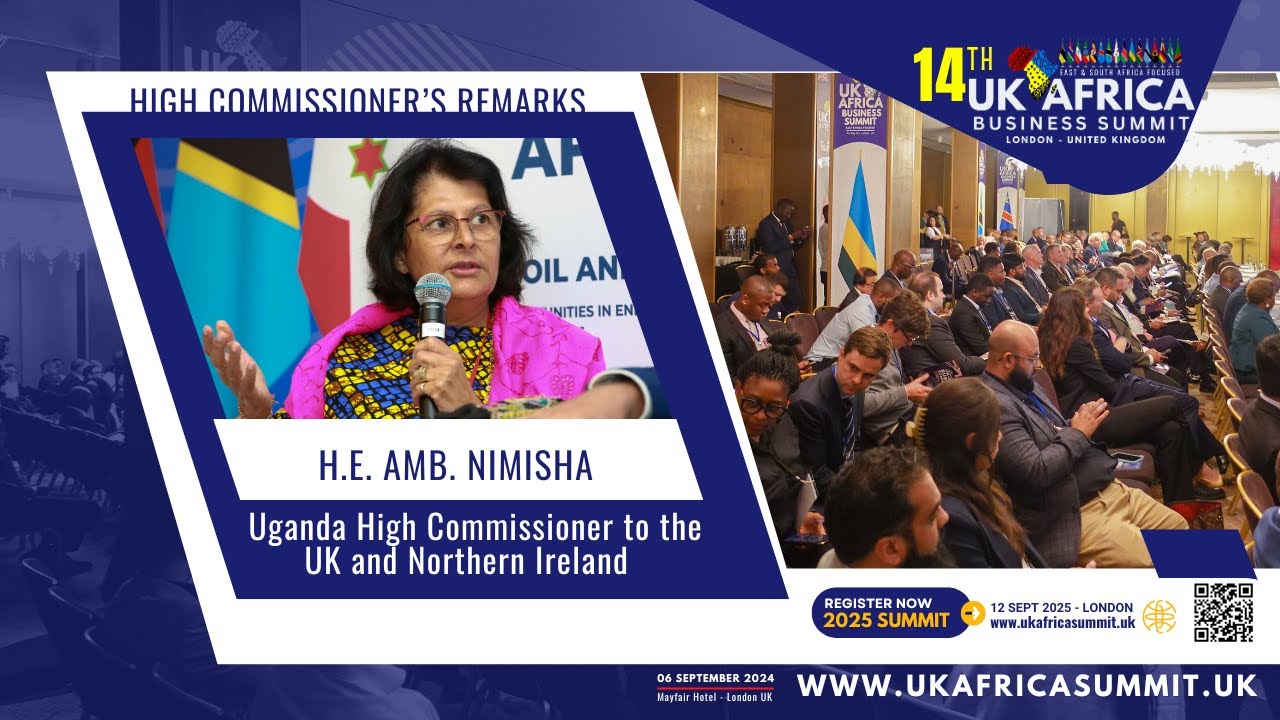
Uganda’s Energy Minister proudly highlighted that 94% of Uganda’s energy comes from renewable sources such as hydropower and solar. She assured investors that while Uganda is tapping into oil and gas revenues, those funds are being reinvested in green infrastructure projects like transmission systems. Uganda is also expanding into geothermal and nuclear energy to diversify its energy mix, further cementing its commitment to sustainability.
Opportunities in East Africa’s Green Economy
A panel discussion at the summit urged investors to consider the abundant opportunities in East Africa’s green economy, including electric vehicles, green infrastructure, and renewable energy projects. Aligning with global sustainability trends will enable investors to access international markets and benefit from East Africa’s shift toward clean energy solutions.
Conclusion
The 2024 UK-Africa Summit highlighted East Africa’s growing focus on infrastructure development and renewable energy through Public-Private Partnerships. Paramita Dasgupta and Ramathan Ggoobi emphasized the need for strategic investments, transparent regulatory frameworks, and strong government commitment to ensure the success of these projects. As East Africa continues its transition toward a greener future, opportunities for investors abound in the region’s push for economic transformation.