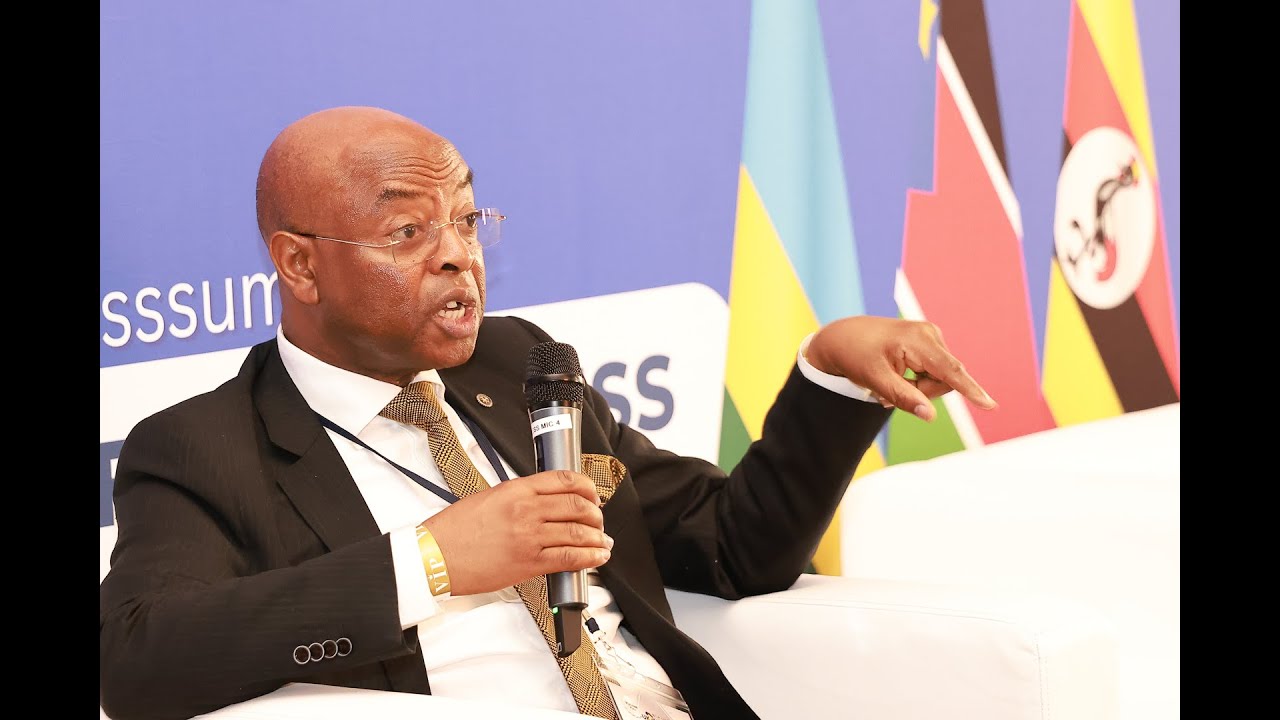
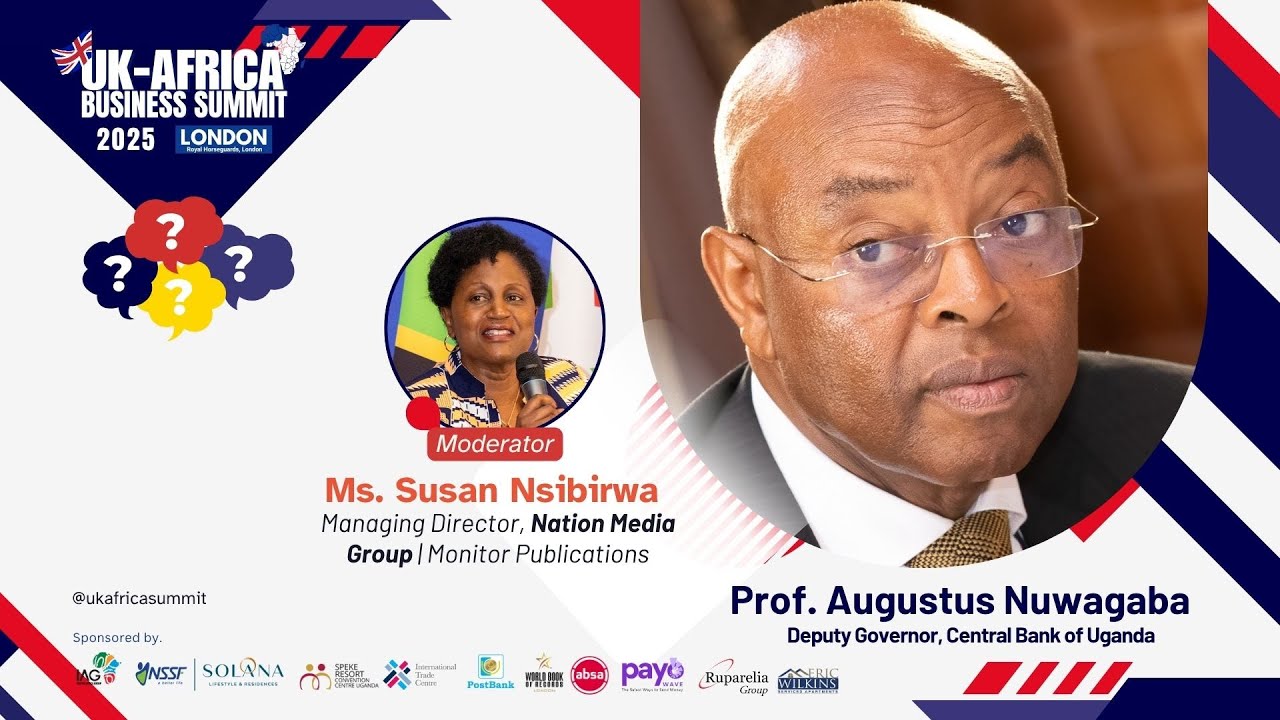
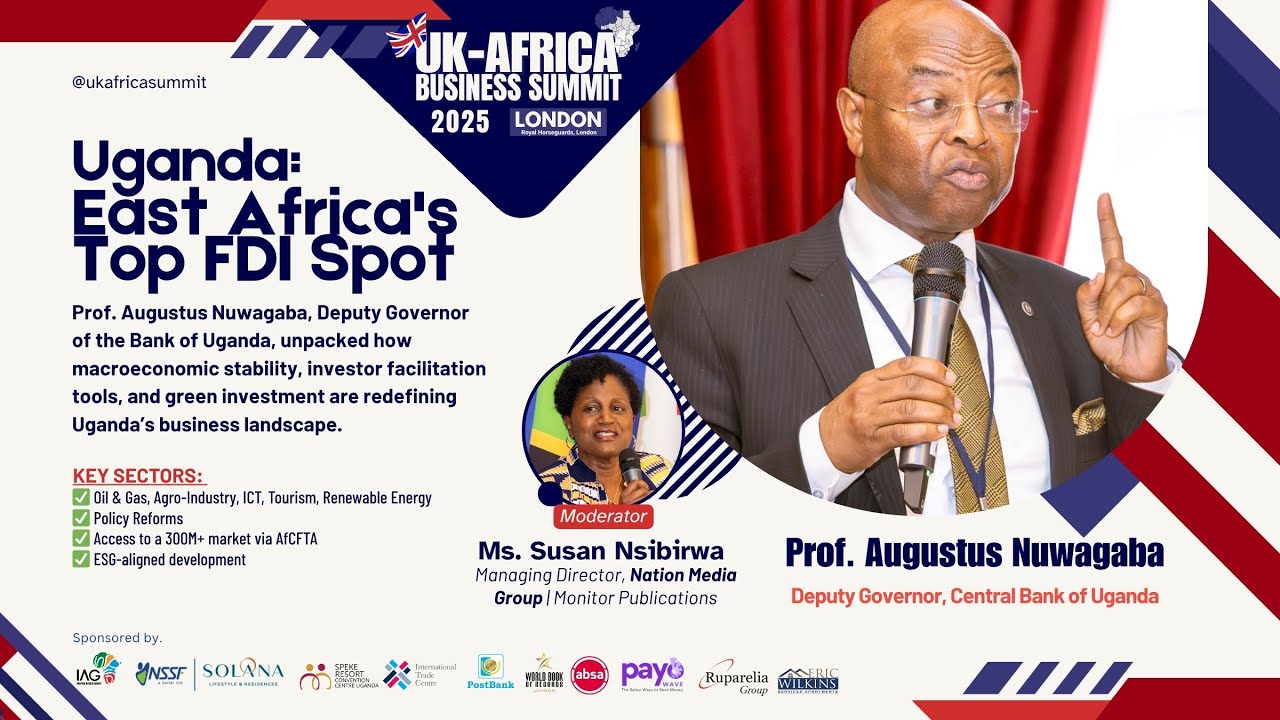
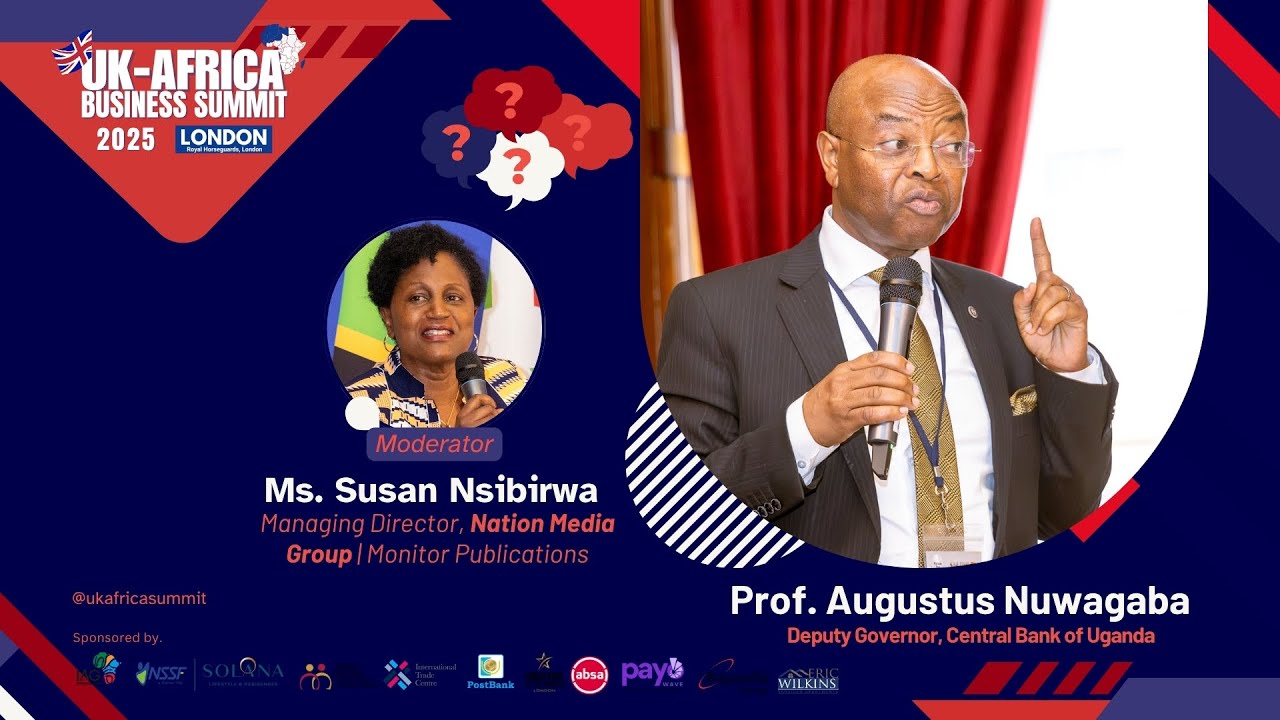
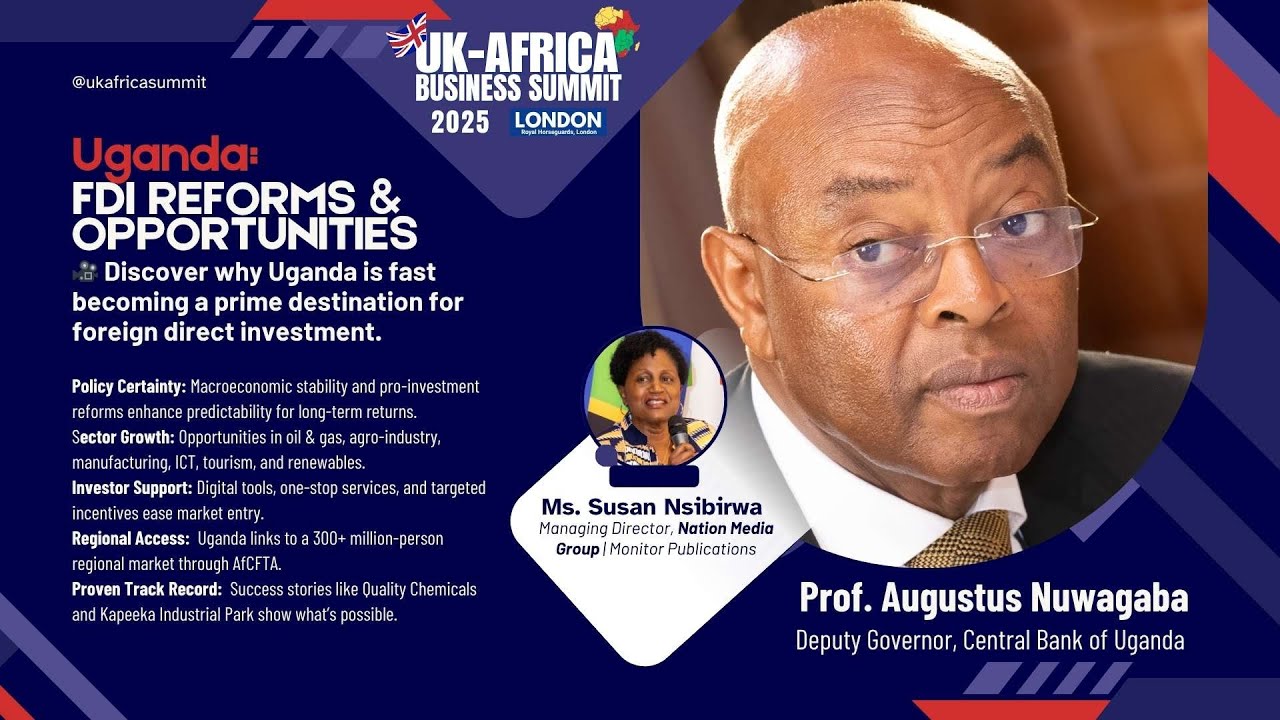
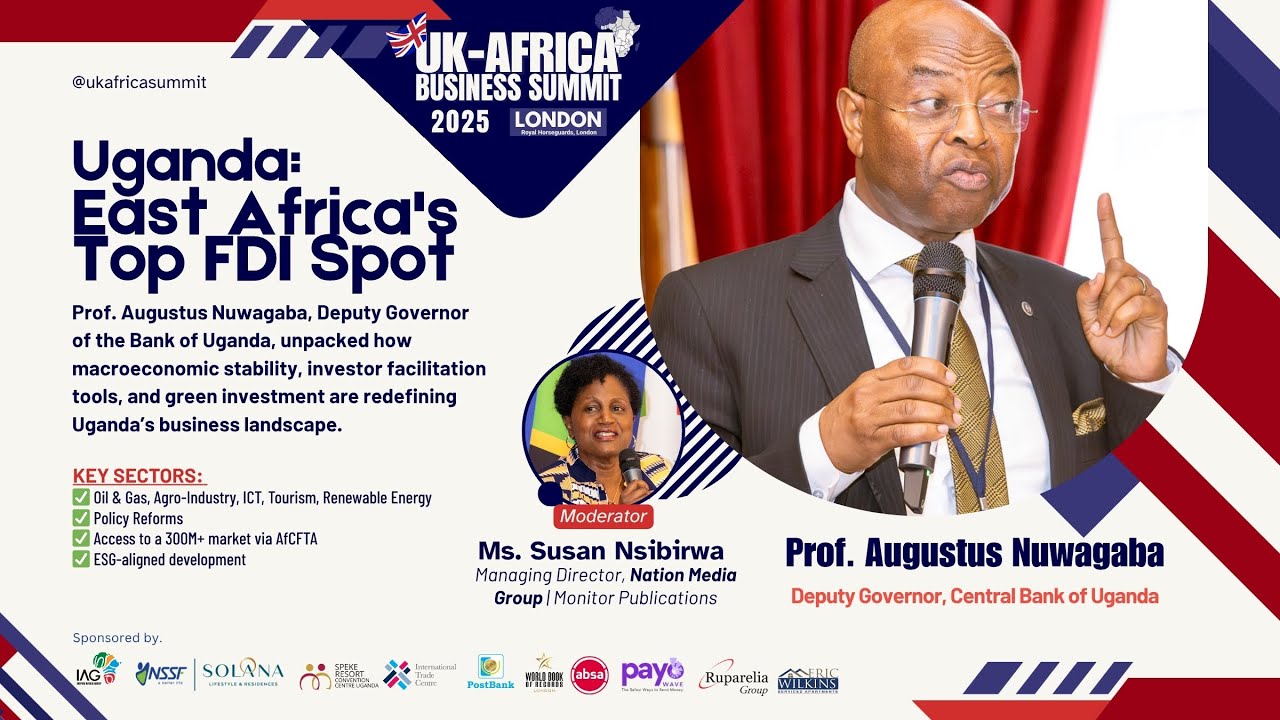
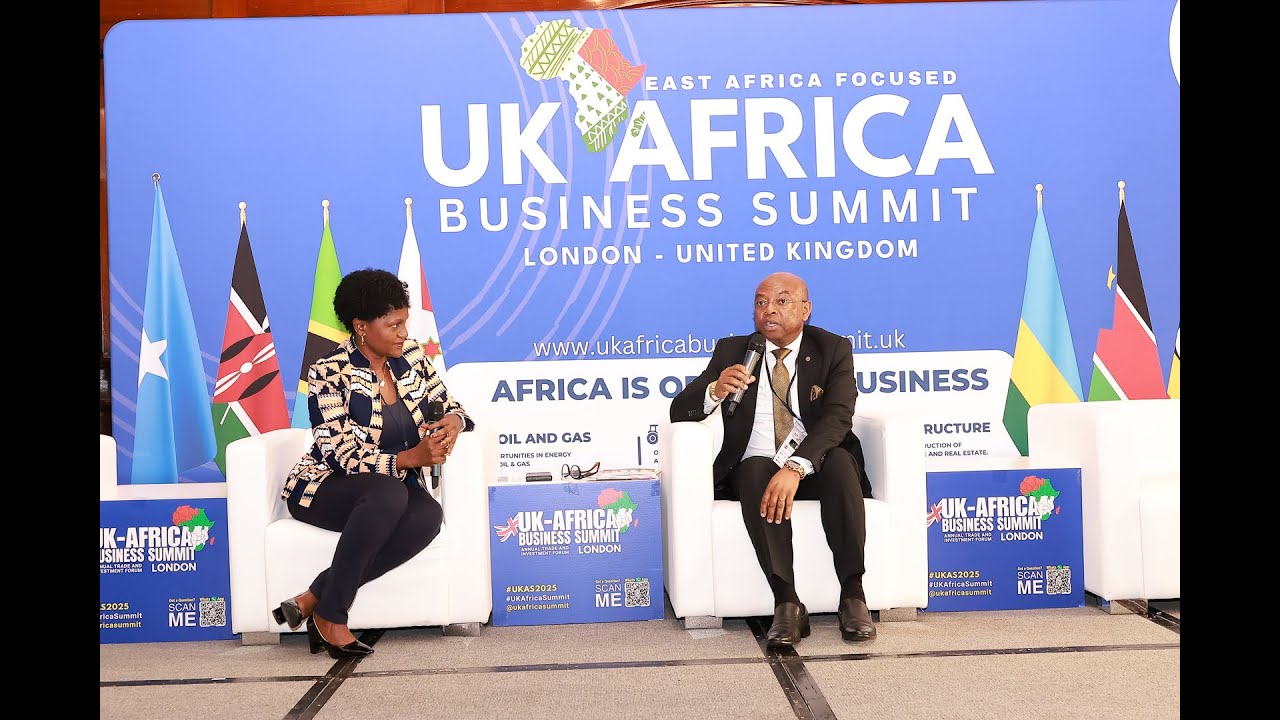
Uganda’s transformation story is being redefined through green finance, innovation, and sustainability-led growth. Speaking at the UK–Africa Business, Trade & Investment Summit 2025, Prof. Augustus Nuwagaba, Deputy Governor of the Central Bank of Uganda, outlined how the country is building a carbon-positive, innovation-driven economy that turns environmental stewardship into competitive advantage.
Uganda’s Carbon Credit Advantage
Uganda is among the few economies globally maintaining a net-positive carbon credit balance — over 30 million carbon credits valued at approximately US $33 million in tradable assets. This strength stems from Uganda’s biodiversity, organic farming systems, and low industrial emissions, all supported by deliberate policy alignment between economic expansion and environmental preservation.
“Uganda is one of the few economies globally that can boast both economic growth and a positive carbon balance,” said Prof. Nuwagaba. “That makes us a natural partner for investors focused on sustainability.”
Green Finance and ESG Integration
The Bank of Uganda has introduced a pioneering Green Taxonomy Framework, harmonised with the Central Bank of Kenya, to ensure all financial institutions align their credit products with Environmental, Social, and Governance (ESG) standards.
“We are embedding sustainability in the DNA of our financial sector,” explained Prof. Nuwagaba. “Every bank must now integrate ESG criteria into its lending and investment decisions.”
This alignment provides international investors with predictable, transparent, and climate-aligned financing frameworks across East Africa — reinforcing investor confidence and regional consistency.
Innovation Meets Sustainability
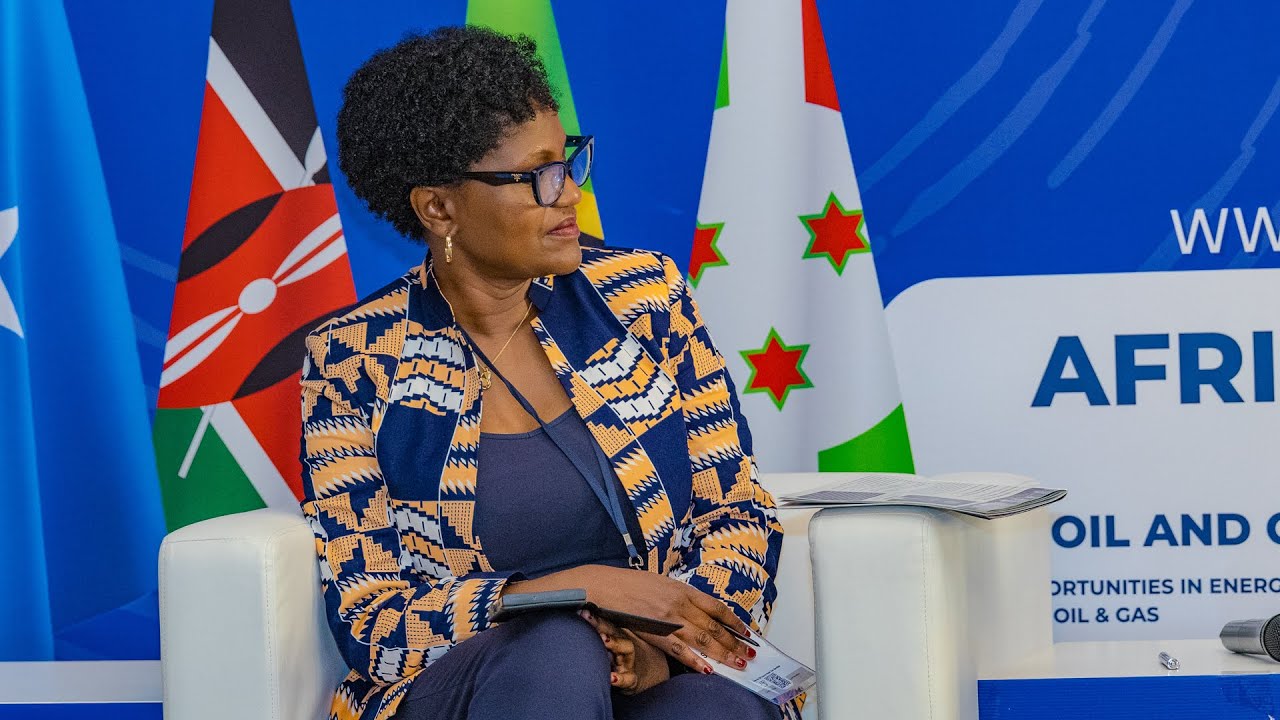
Responding to Mrs. Perez Ochieng, CEO of SACOMA Global Foods (UK), who raised the issue of lab-grown food and agri-tech disruption, Prof. Nuwagaba clarified Uganda’s open stance on technological innovation.
“We welcome new technologies — from climate-smart agriculture to food innovation. Uganda is not resisting change; we are shaping it.” — Prof. Augustus Nuwagaba
He noted that the Agro-Industrialisation Programme — Uganda’s top national priority — guarantees funding, policy support, and incentives for agri-tech innovators and value-added food systems that promote sustainable production.
Economic Modelling for Sustainable Growth
Under its Dynamic Stochastic General Equilibrium (DSGE) model, the Bank of Uganda integrates 10-year sustainability forecasts into fiscal and monetary policy planning. This data-driven approach links macroeconomic stability with environmental outcomes — ensuring growth that is both predictable and green.
Human Capital as a Green Asset
Prof. Nuwagaba described Uganda’s youthful, educated population as the human engine of its green transition. With a median age of just 16 years and rising investment in education, science, and technology, Uganda is positioning itself as a labour-competitive hub for green and digital industries.
A Call to Action: Invest in Uganda’s Green Economy
“This is not about aid; it’s about smart investment. Uganda is ready for capital that respects the planet and rewards sustainability.” — Prof. Augustus Nuwagaba
He invited international partners, climate funds, and the diaspora to participate in Uganda’s emerging carbon credit markets, clean energy projects, and innovation ecosystems — noting that policy stability, fiscal discipline, and environmental integrity now define Uganda’s investment brand.
Key Takeaway
Uganda is fast emerging as Africa’s Green Investment Frontier — where policy predictability, carbon advantage, and innovation openness converge to form a sustainable, globally competitive economy.
“Uganda is not just investment-ready,” concluded Prof. Nuwagaba. “It is defining how Africa’s green future will be financed.”