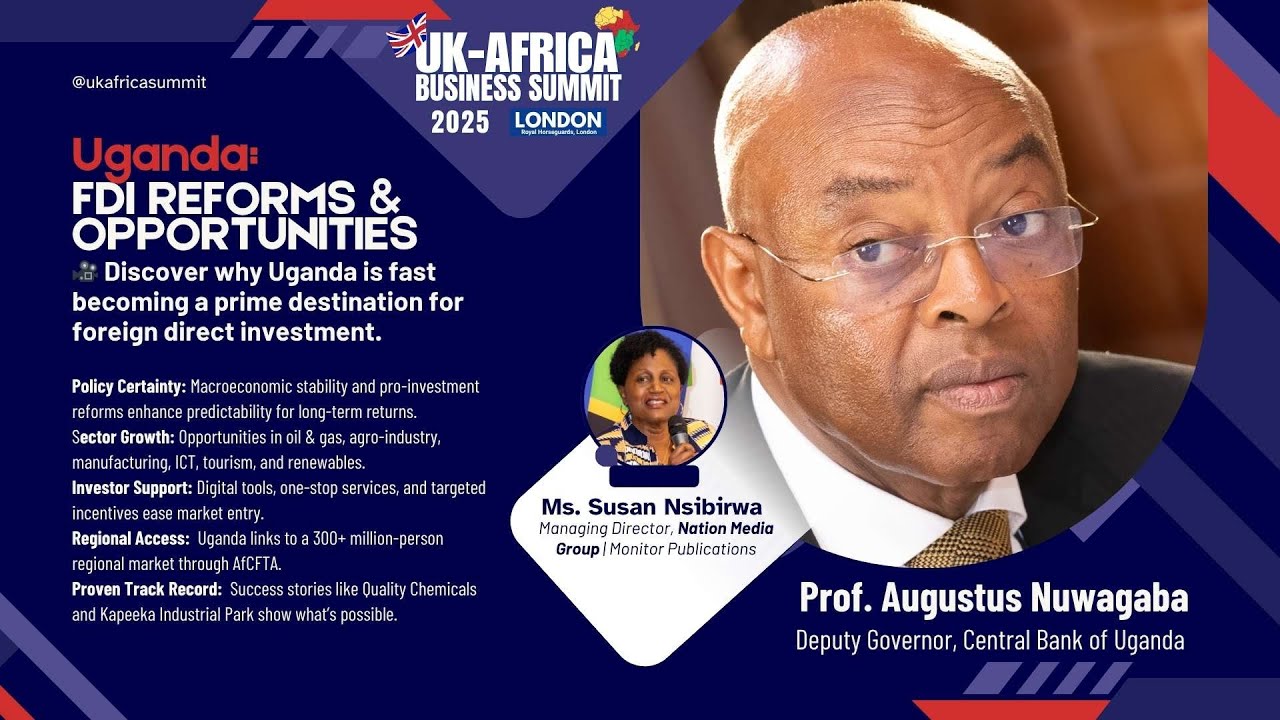
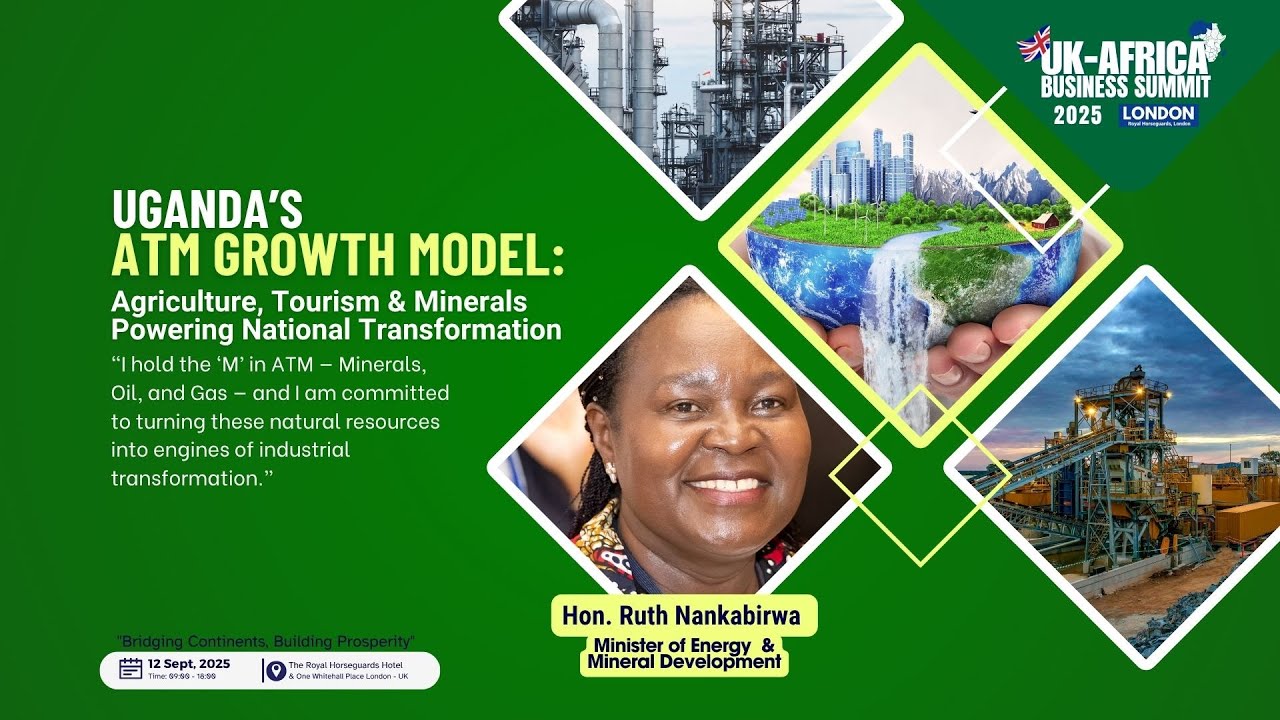
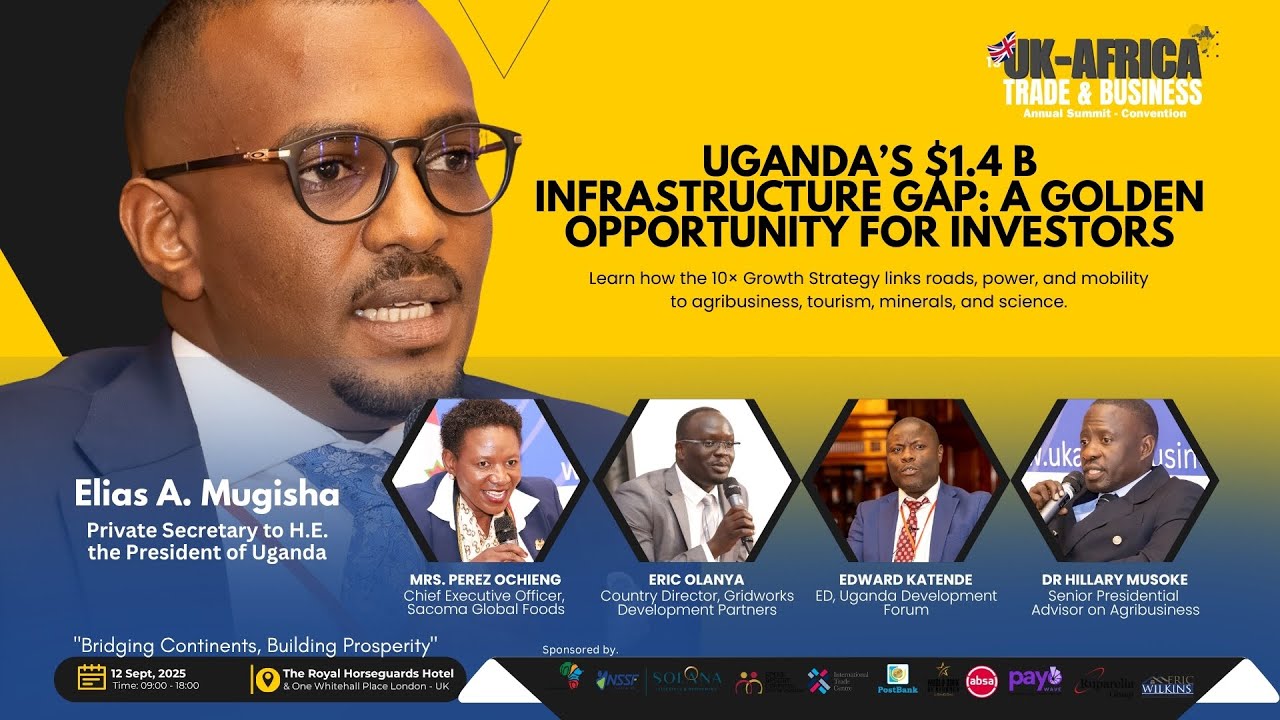
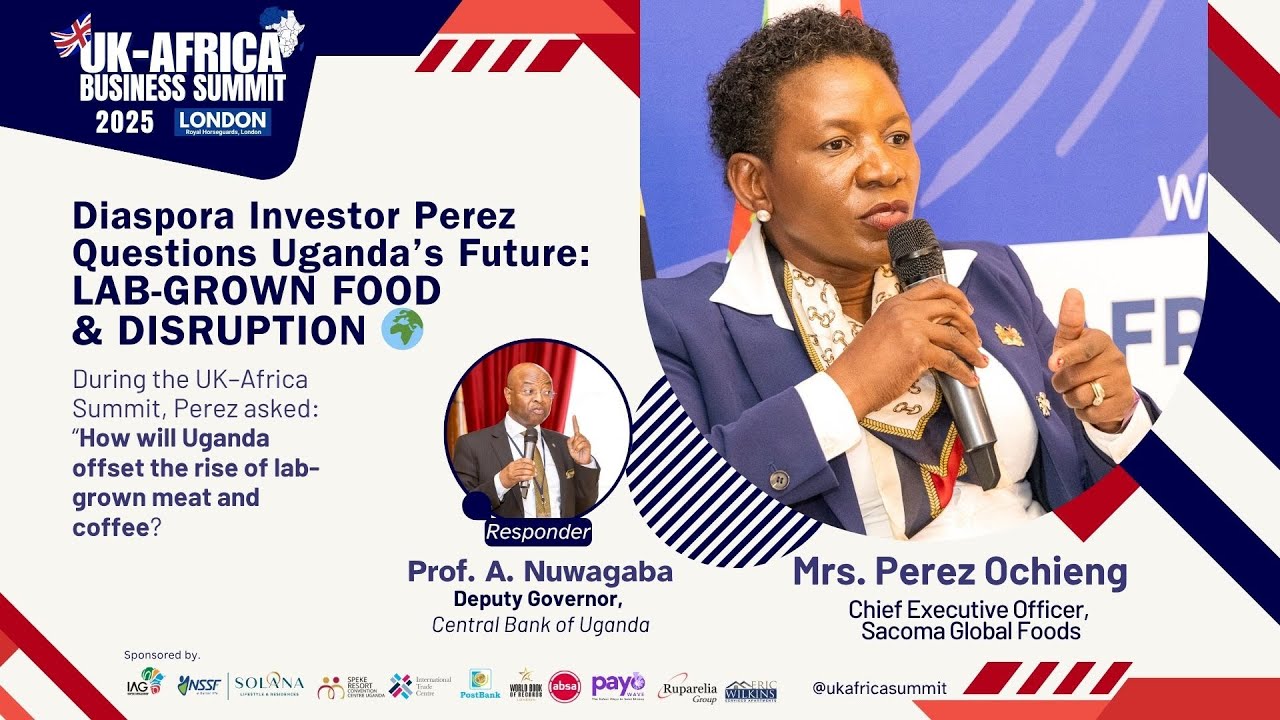
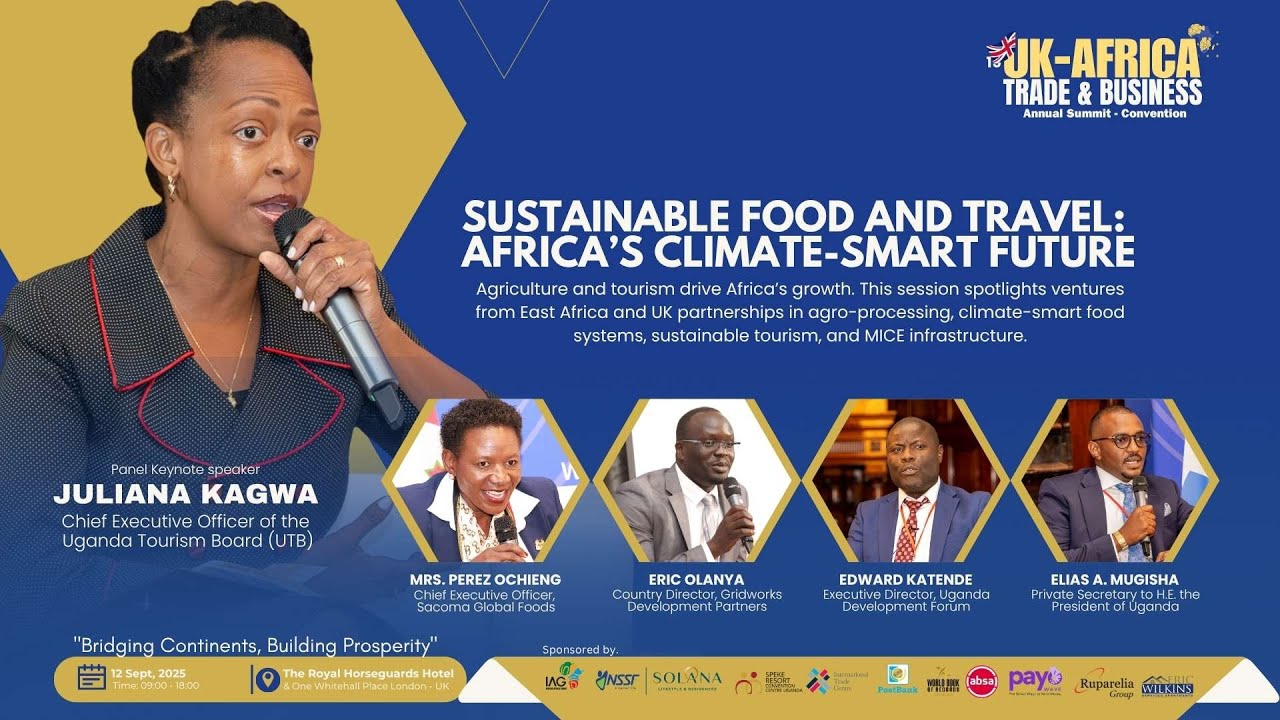
At the UK–Uganda Trade and Investment Summit in London, Uganda’s senior government and private sector leaders presented a bold, coordinated vision for inclusive transformation — anchored in agribusiness, tourism, infrastructure, and diaspora-led investment. The message was clear: Uganda is open, investable, and ready for sustainable growth.
From Remittances to Equity: A Diaspora Call to Action
Edward Katende, Executive Director of the Uganda Development Forum, urged Ugandans abroad to move beyond remittances and become active equity investors through new diaspora frameworks, capital markets, and public–private partnerships.
“I left what people call the ‘big money’ in London to go back home — and what I found exceeded expectations. The opportunities are real, bankable, and waiting for those bold enough to leap.” — Edward Katende
- New diaspora investment windows for co-ownership of factories, logistics, and export ventures.
- Policy-backed instruments enabling Ugandans abroad to build wealth through domestic enterprise.
Tourism as a National Growth Engine
Juliana Kagwa, Chief Executive Officer of the Uganda Tourism Board (UTB), reaffirmed tourism’s central role in diversification — targeting five million annual visitors by 2030.
“We have over 1,000 bird species, the largest tropical lake, and three of the world’s five great apes — including us Ugandans!” — Juliana Kagwa
She unveiled new UK-focused digital campaigns promoting agritourism, faith tourism, and sports tourism such as the Rwenzori Marathon — designed to increase visitor spending, diversify experiences, and position Uganda as Africa’s adventure capital.
Infrastructure and Power: Building the Backbone for Growth
Eric Olanya, Country Director at Gridworks Development Partners (UK), confirmed a $500 million investment in Uganda’s power transmission sector, describing it as “one of Africa’s most investable frameworks.”
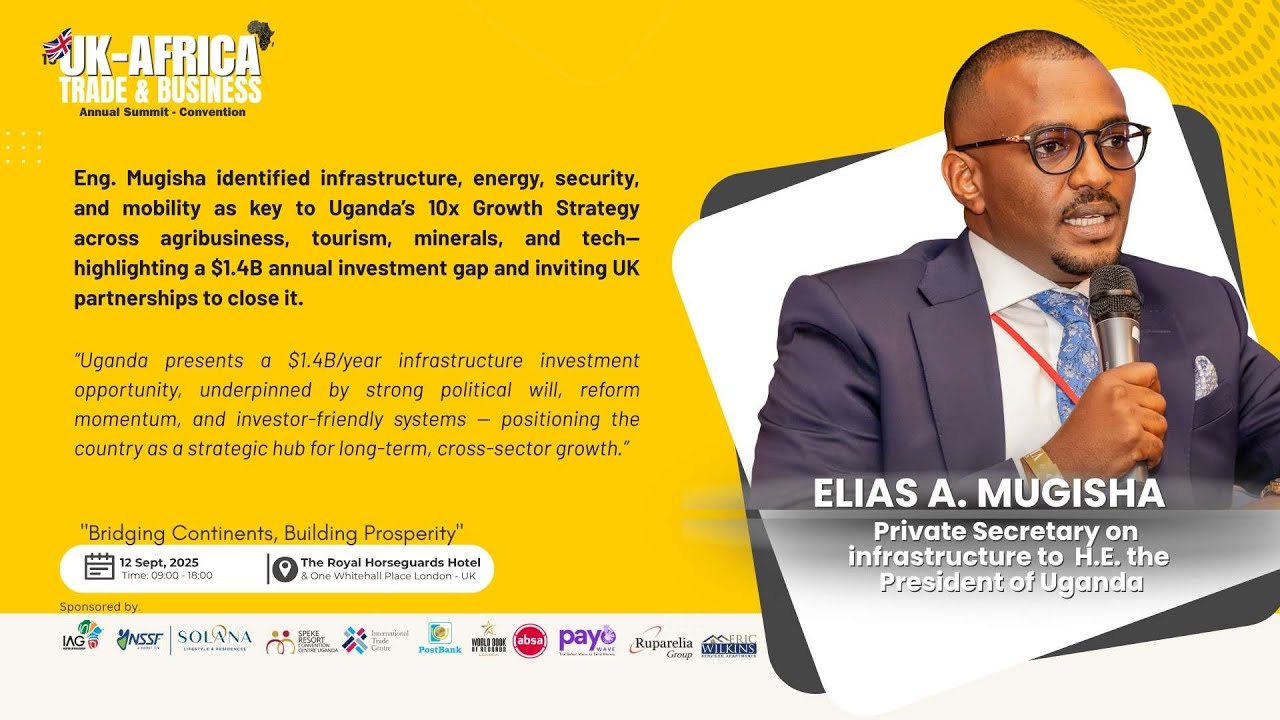
Eng. Elias A. Mugisha, Private Secretary to H.E. the President of Uganda (Infrastructure and Public Works), highlighted ongoing reforms reducing project approval times from 700 to 365 days and introducing biometric-based due diligence for contractors.
“Uganda is open, committed, and ready to work with serious investors to build resilient infrastructure for sustainable development.” — Eng. Elias A. Mugisha
Agriculture 2.0: From Farms to Factories
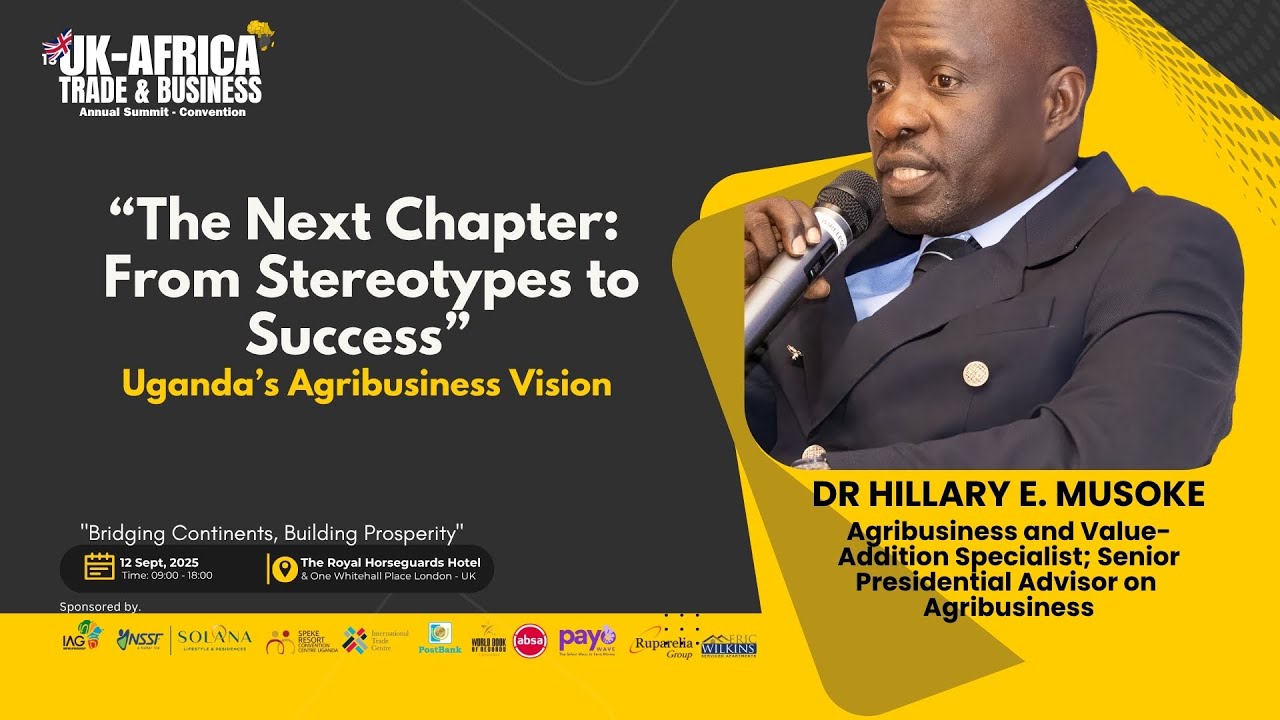
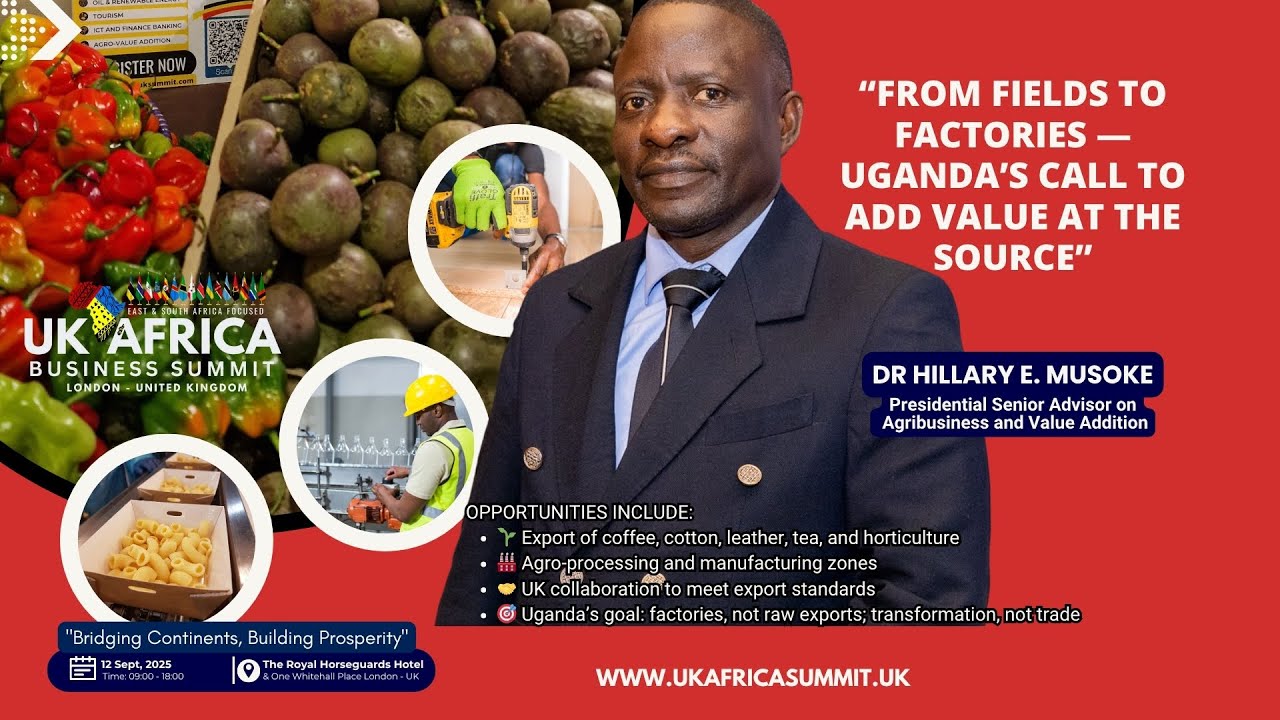
Dr. Hillary Emma Musoke, Senior Presidential Advisor on Agribusiness, emphasised Uganda’s evolution from subsistence farming to agro-industrialisation — expanding from four legacy cash crops to over fifty commercial value chains.
“From four colonial cash crops, we now have over fifty. The diaspora must join the agriculture-to-industry revolution — this is not aid; it’s business.” — Dr. Hillary Emma Musoke
Eng. Ssempebwa Ronald Kibuuka, Chief Engineer and Technical Advisor in the Office of the President, showcased Namukekera Industrial Park as a national model — home to over 20 factories and 15,000 farmers producing avocado oil, catfish flour, and fruit concentrates.
Innovation and Intellectual Property
Mrs. Perez Ochieng, Chief Executive Officer of SACOMA Global Foods Innovation (UK), delivered a passionate call for Africa to own its innovation through intellectual property (IP) protection and brand development.
“Matoke is more than food — it’s identity. Let’s protect it like South Korea did with kimchi.” — Mrs. Perez Ochieng
She stressed that Africa’s competitiveness depends not on what it grows but on how it protects, packages, and promotes its innovations.
Bridging Uganda’s Infrastructure Gap
Eng. Elias A. Mugisha reaffirmed that Uganda’s infrastructure and energy reforms are fully integrated within the 10x Growth Strategy — linking power, transport, housing, and digital systems to accelerate industrialisation and job creation.
Closing Reflections: A Unified Growth Vision
Speakers converged on one theme: Uganda’s growth is ecosystem-driven — connecting farmers, innovators, and investors into value chains that export not just products but purpose.
“If you’re wearing leather shoes, drinking coffee, or using cotton — chances are Uganda touched it. Now help us build factories in Uganda, not just markets abroad.” — Dr. Hillary Emma Musoke
Sectors Ready for Investment
- 🌱 Agro-processing & export manufacturing
- 🏨 Tourism & hospitality
- ⚡ Infrastructure & renewable energy
- 💻 Digital agriculture & youth innovation ecosystems
Key Takeaway
Uganda is not landlocked — it is land-linked, open, and investment-ready. The Summit marked a new era of partnership, inviting global investors and the diaspora to join Uganda’s transformation from remittance to resilience and from primary production to premium brands.