As the global economy continues to recalibrate towards sustainability and emerging-market growth, Africa remains one of the most dynamic investment frontiers of the 21st century. Despite significant opportunities across sectors such as energy, agribusiness, digital trade, and infrastructure, the United Kingdom’s commercial engagement with the continent still lags behind its potential.
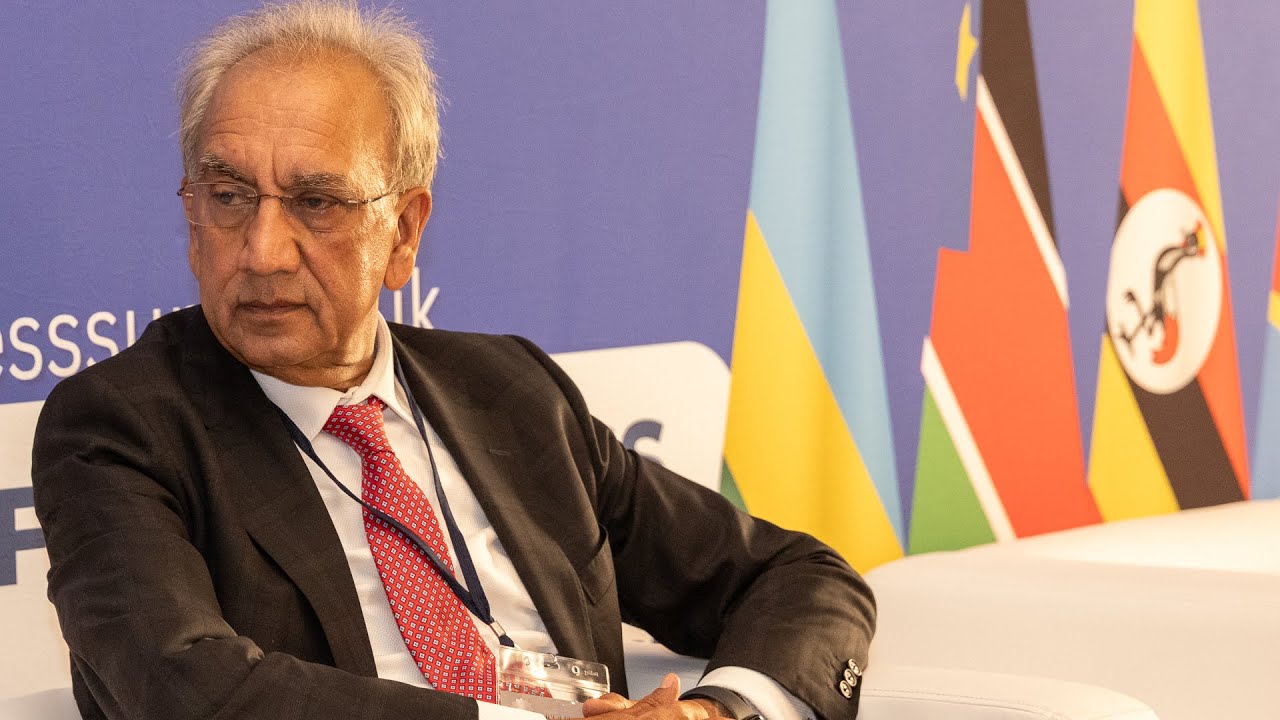
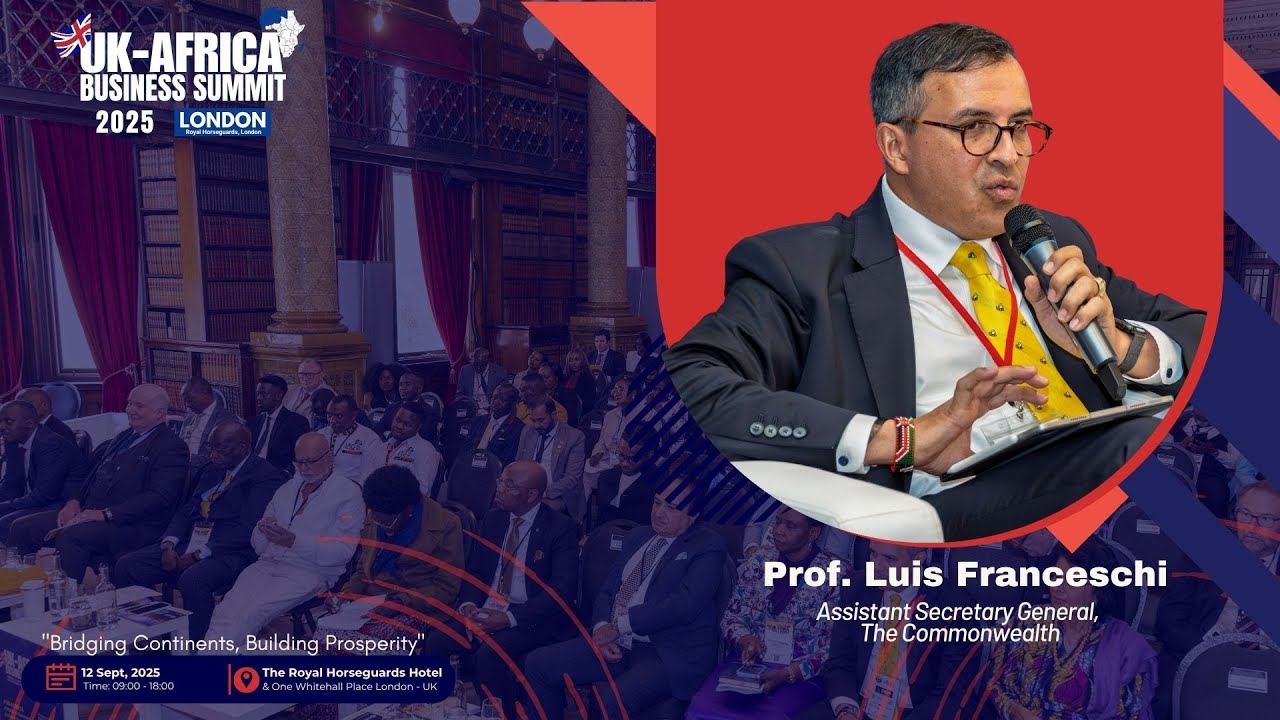
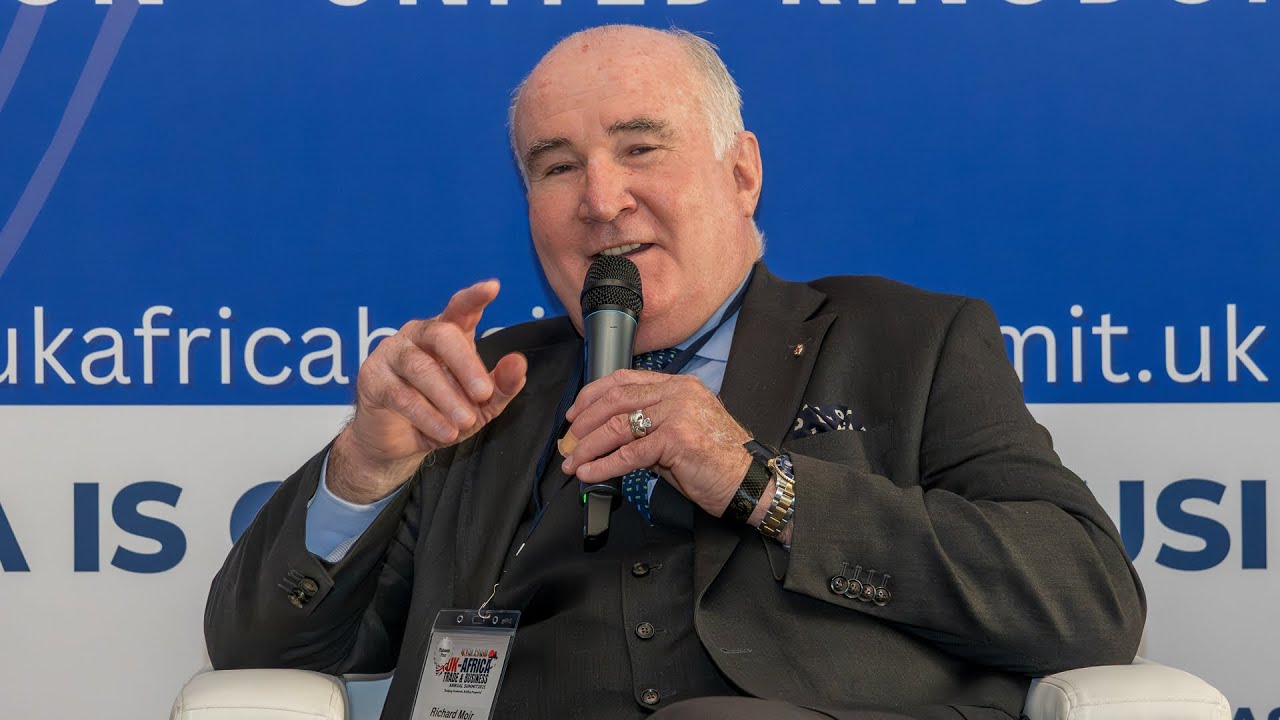
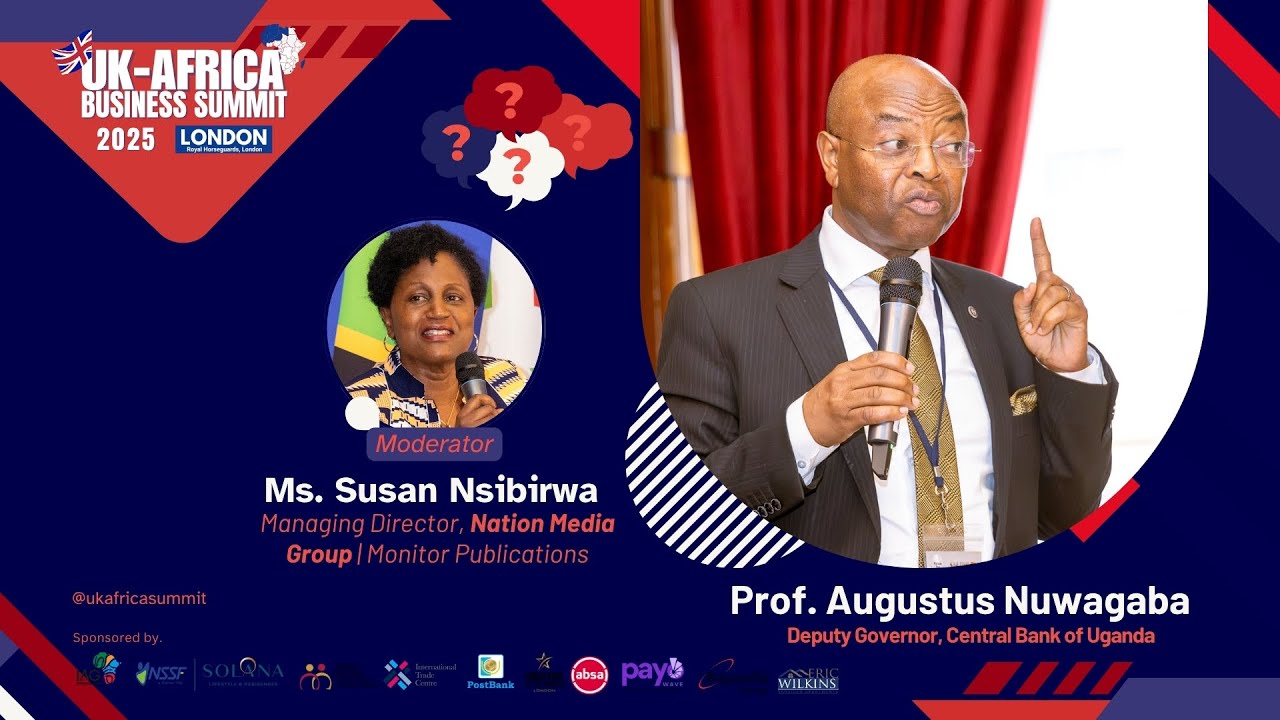
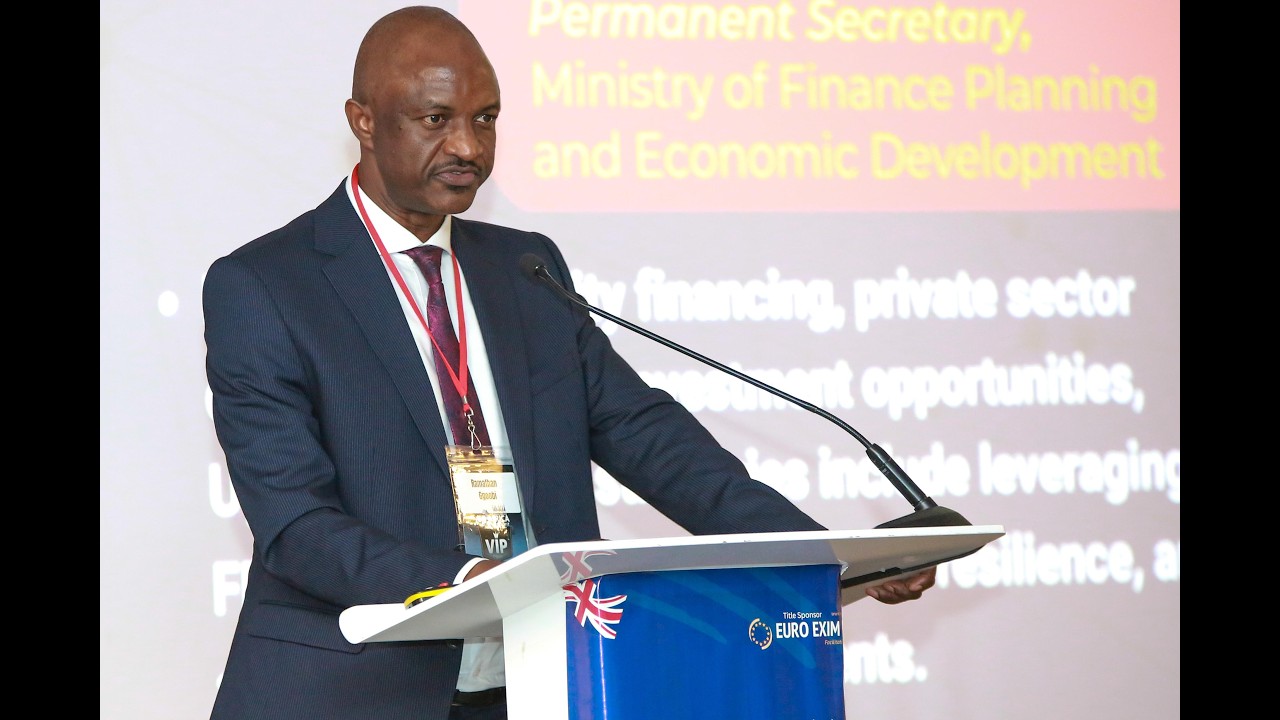
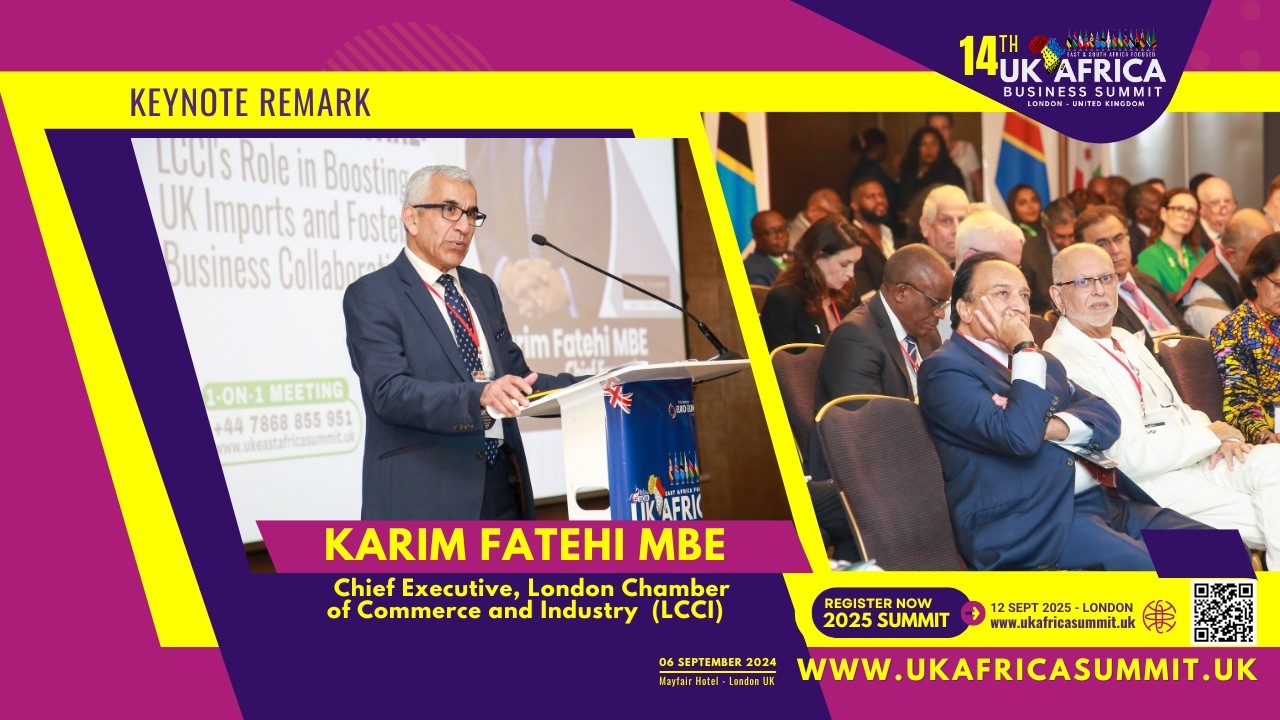
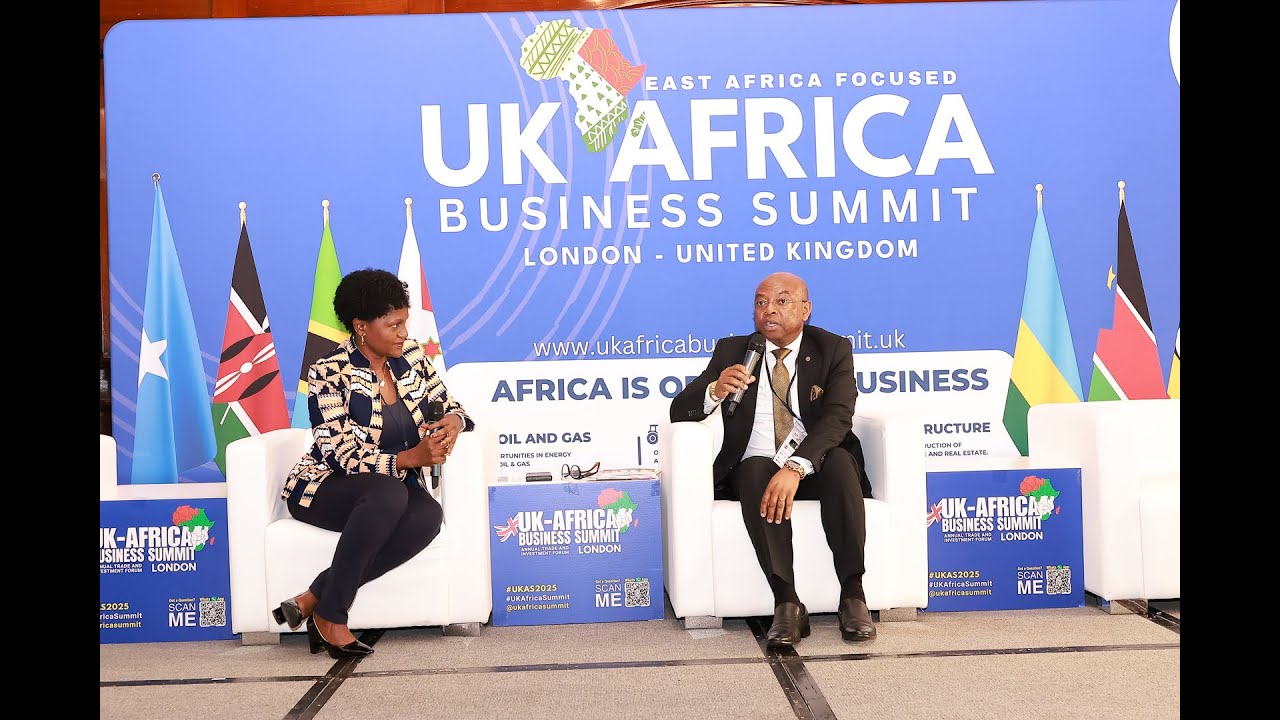
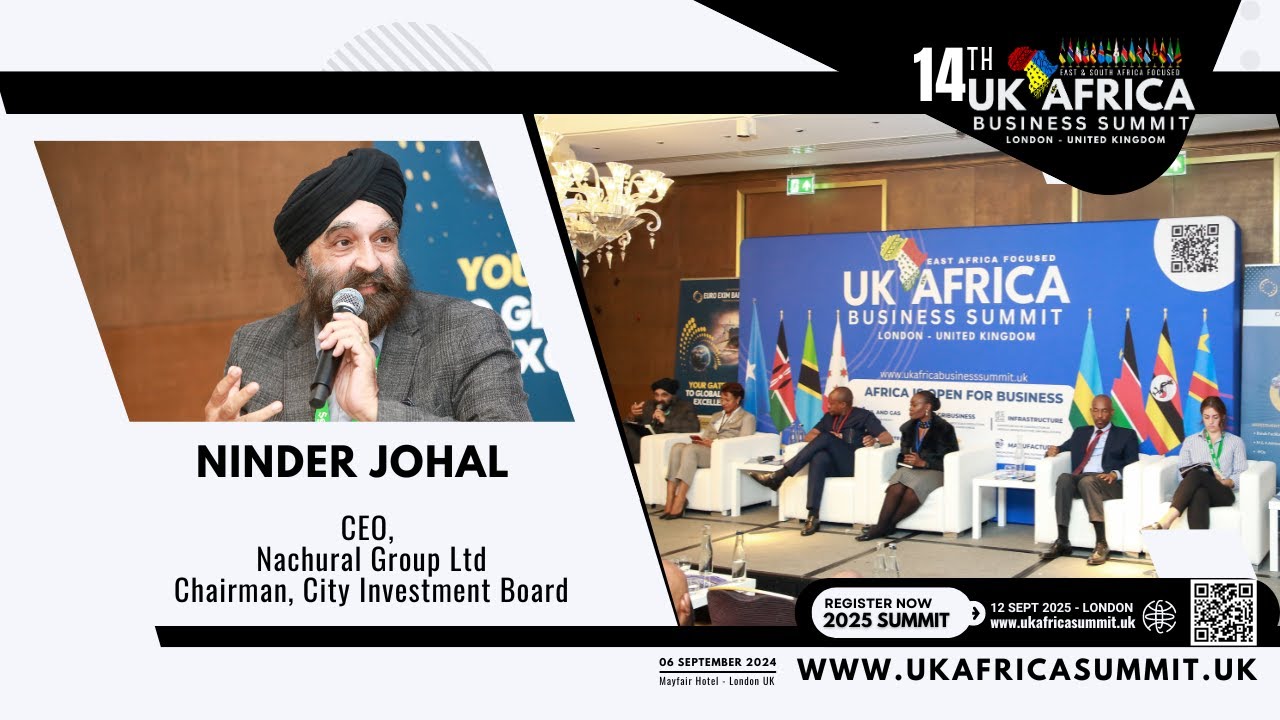
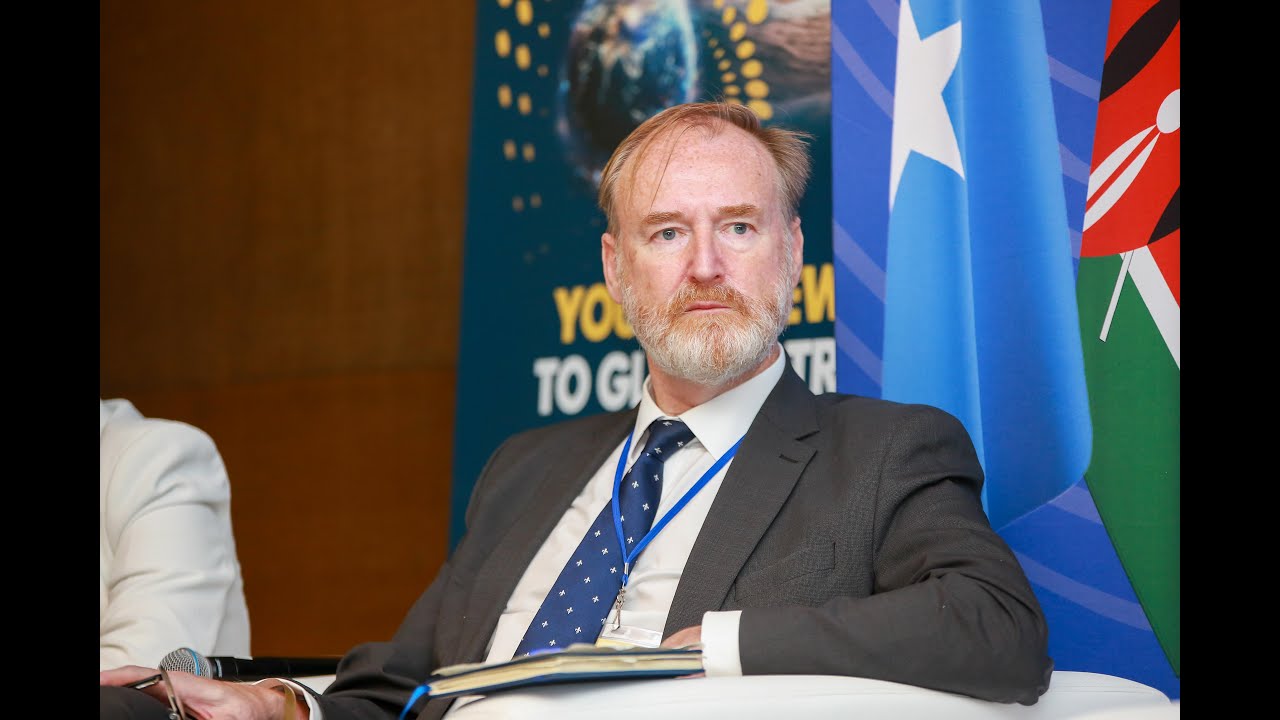
At the 15th UK–Africa Business, Trade & Investment Summit held in London, policymakers, investors, and private sector leaders reached a common conclusion: the time has come to move from rhetoric to results.
1. Changing the Narrative: From Risk to Opportunity
Africa’s investment story continues to be shaped by outdated risk perceptions that obscure its economic progress and expanding consumer markets. The continent now represents one of the fastest-growing regions for industrial and digital transformation.
Summit discussions emphasised the need to reframe Africa’s narrative — moving away from aid dependency toward bankable projects, credible leadership, and sustainable partnerships. Participants highlighted that UK investors require reliable, data-driven insights to better understand the realities and opportunities across African markets.
2. Bridging Information and Access Gaps
While UK businesses demonstrate a growing appetite to explore African markets, many face practical barriers, including limited access to verified information, credible local partners, and due diligence mechanisms.
In response, the Summit introduced the UKABS Verified Projects Platform, a digital investment facilitation tool designed to connect UK investors with vetted African ventures. The platform will provide due diligence support, market dashboards, and investor–project matchmaking capabilities, converting interest into tangible deal flow and mitigating entry risk for British firms.
3. Financing Africa’s Growth — Smarter, Greener, and Fairer
Access to finance remains a key constraint to Africa’s development, with persistent perceptions of risk and inadequate blended-finance structures limiting capital inflows.
The United Kingdom is well positioned to play a catalytic role by promoting ethical, blended, and impact-oriented financing models. Through initiatives such as UK Export Finance’s £2.5 billion facility and the British International Investment (BII) £1 billion green portfolio, the UK can channel resources into Africa’s sustainable infrastructure, SME development, and green transition.
Summit sessions underlined the growing role of digital bonds, ESG-linked instruments, and risk-sharing mechanisms in mobilising both institutional and private investment into African markets.
4. Aligning Regulation for Predictable Partnerships
Policy consistency and transparency were identified as critical enablers of investor confidence. Although many African economies are advancing regulatory reforms, inconsistencies between jurisdictions — combined with complex UK compliance frameworks — continue to inhibit trade and investment flows.
To address this, delegates endorsed the creation of UK–Africa Regulatory Roundtables focused on harmonising tax policies, ESG standards, and governance frameworks. Such alignment is expected to enhance predictability and reduce the cost of cross-border transactions, fostering an environment conducive to sustainable investment.
5. Investing in Inclusion and Sustainability
Delegates stressed that Africa’s long-term growth must be inclusive, equitable, and sustainable. Investment often bypasses the continent’s most dynamic contributors — youth, women, and small enterprises — who are central to innovation and productivity.
The Summit showcased initiatives in gender-lens investing, youth enterprise financing, and green entrepreneurship, reflecting the shift towards ethical and impact-driven investment models. Countries such as Uganda, Kenya, Ghana, and Rwanda were cited as emerging examples of economies integrating ESG principles and industrial transformation into their national development strategies.
6. Maintaining the UK’s Competitiveness in a Changing Landscape
The UK’s presence in African markets faces increasing competition from China, Türkiye, India, and Gulf nations, which have intensified their trade, infrastructure, and investment engagements across the continent.
To remain competitive, the UK must deepen its commercial relationships through B2B pipelines, diaspora-led investment initiatives, and Commonwealth partnerships. The emphasis must shift from dialogue to direct engagement — ensuring that British firms actively participate in Africa’s growth story rather than observe from the sidelines.
From Talk to Transformation
The 2025 UK–Africa Business Summit underscored a unified message: partnership must now translate into measurable outcomes.
The Summit’s concluding statement summarised this shift in tone and ambition:
“The UK–Africa Summit is not another talk shop. It’s about building trust, connecting capital to credible projects, and shaping a partnership based on respect, transparency, and shared prosperity. The world has changed — it’s time our partnerships reflect that.”