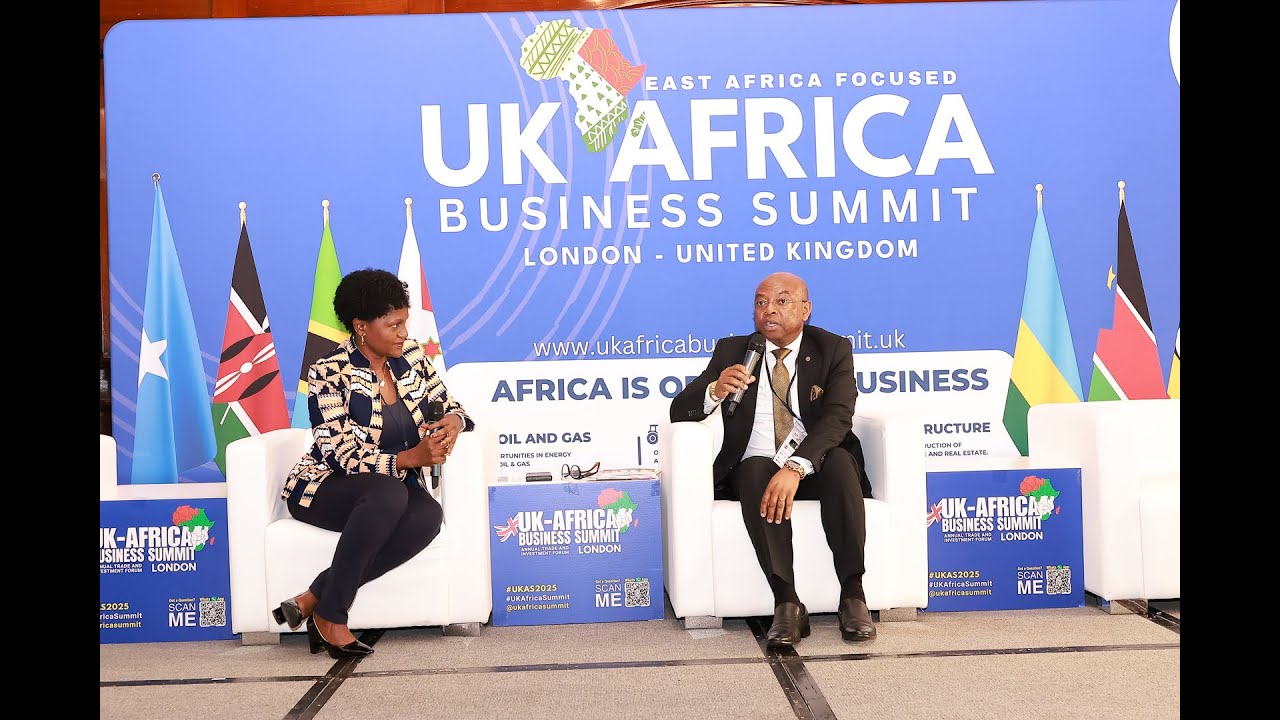
Richard Moir: Sovereign Equity, Commonwealth Capital & the Afro–Caribbean Corridor
Founder, The Sovereign Equity Initiative
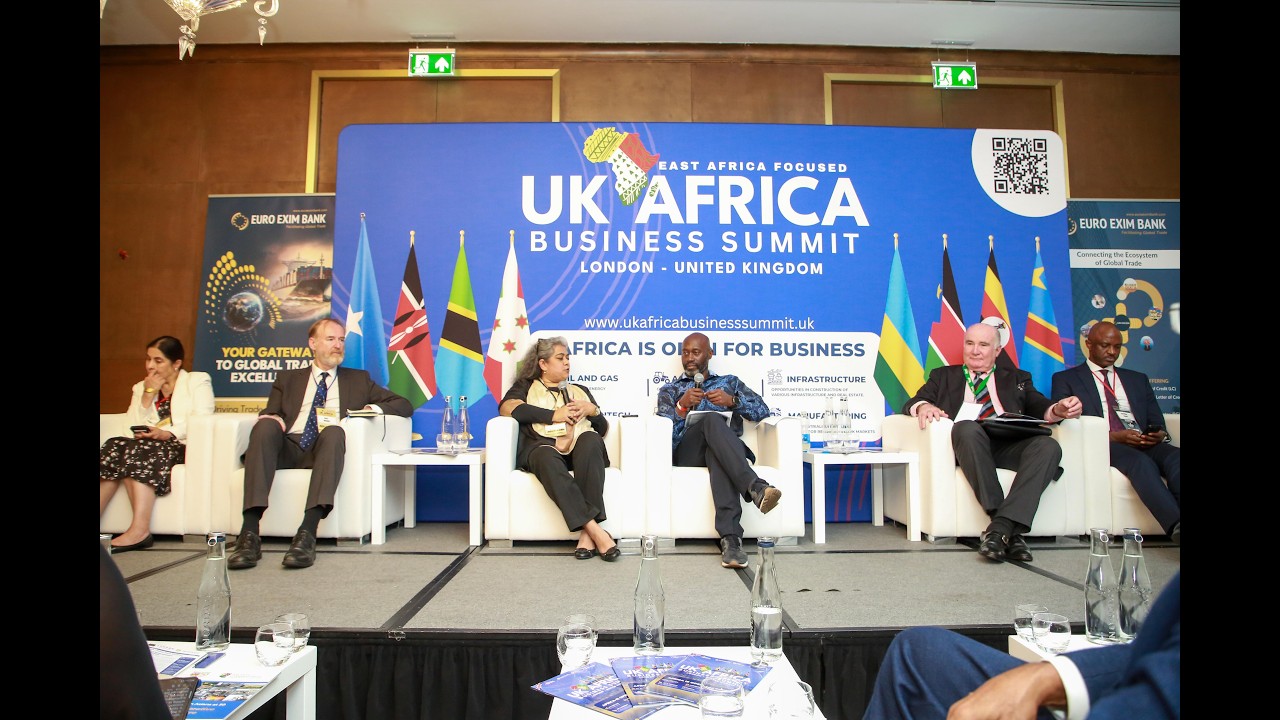
📍 UK–Africa Business, Trade & Investment Summit 2025
🏛️ The Royal Horseguards Hotel & One Whitehall Place, London
🎯 Session Theme: Financing Africa’s Growth & Redefining UK Partnerships
Reframing Capital: From Aid to Equity
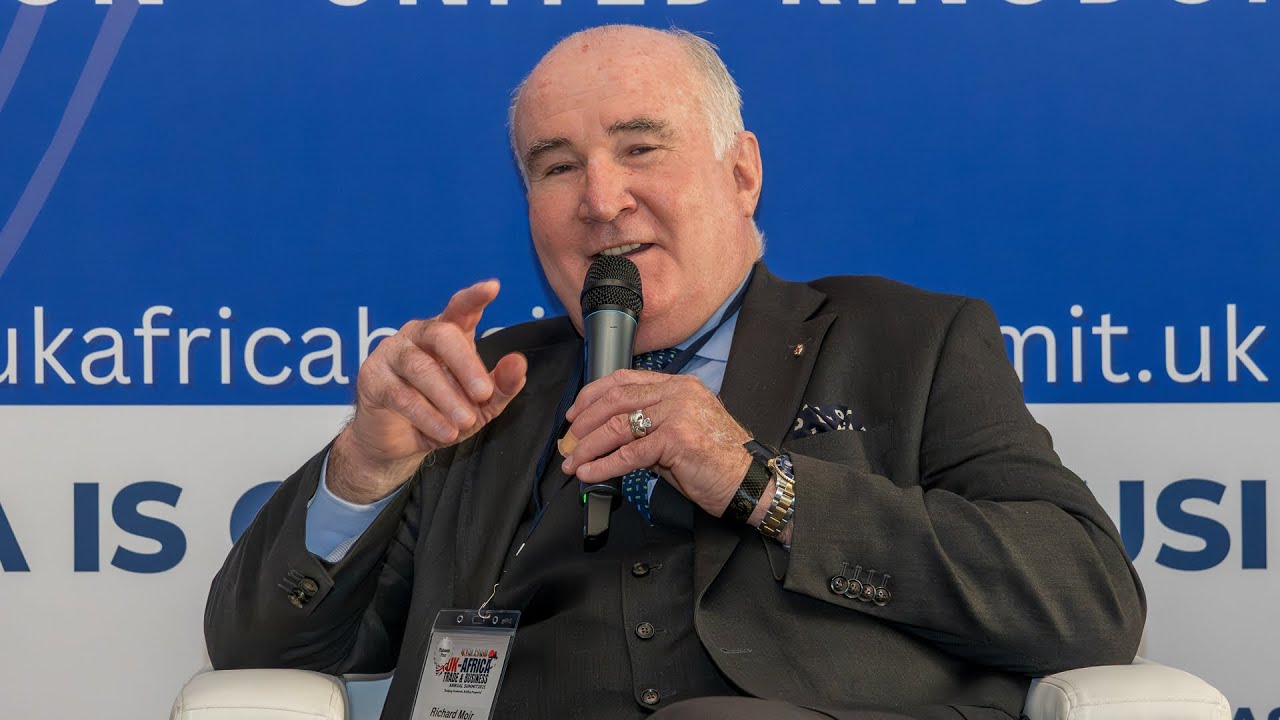
At the 15th UK–Africa Business, Trade & Investment Summit, Richard Moir presented a visionary framework for financing Africa’s growth — one rooted in trust, innovation, and the Commonwealth’s shared economic DNA. His message was clear: Africa’s financial transformation will not come solely from external lending, but from reimagining capital through sovereign equity, digital trade, and cross-Commonwealth cooperation.
The Commonwealth Advantage & the Case for Trust-Based Trade
“The antidote to tariffs and volatility is the Commonwealth trade advantage.” — Richard Moir
Moir reminded delegates that trade within the Commonwealth is 21% cheaper due to common language, legal structures, and governance standards — a competitive advantage yet to be fully leveraged. He called for the Commonwealth to be seen not as a legacy institution but as a living investment framework capable of mobilising alternative capital, enhancing due diligence, and deepening South–South investment partnerships.
Sovereign Equity – A New Asset Class for African States
Moir introduced sovereign equity — a transparent, regulation-compliant mechanism enabling African governments to raise non-debt capital through citizenship and residency-by-investment frameworks.
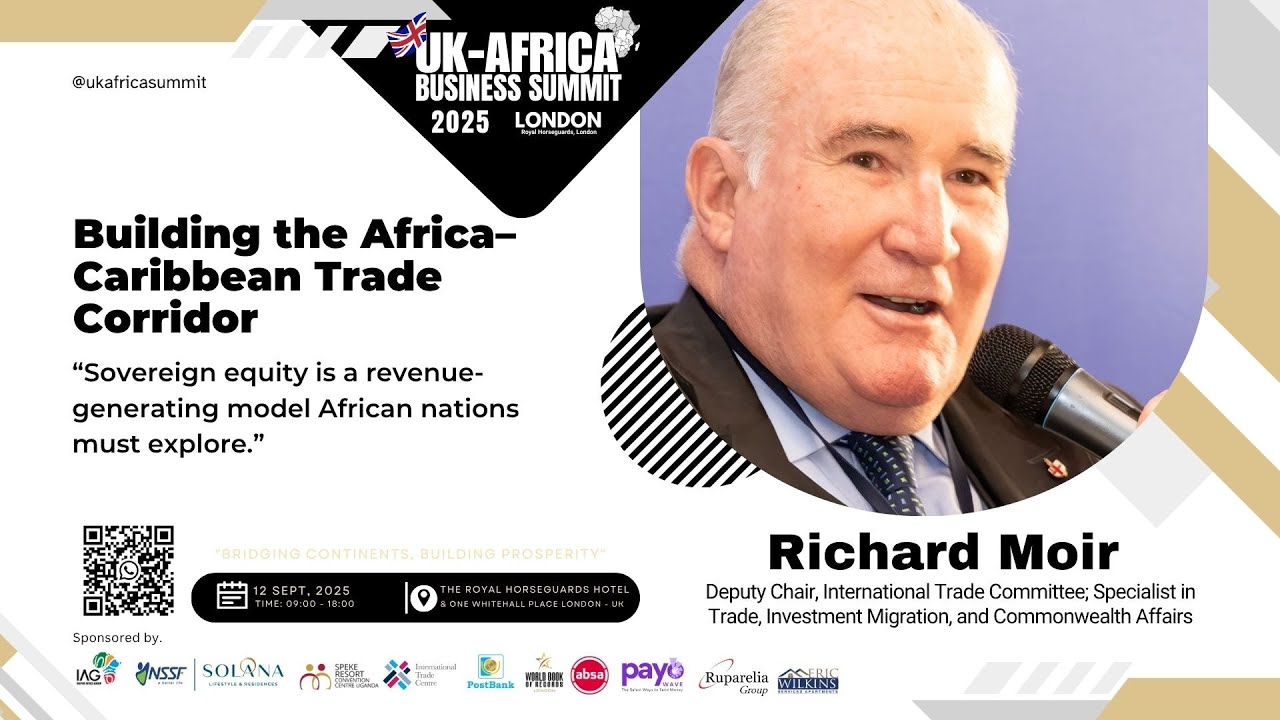
“Sovereign equity is a revenue-generating model African nations should explore to attract strategic investors.” — Richard Moir
He cited the Caribbean model, where citizenship-by-investment (CBI) programmes fund infrastructure, tourism, and innovation through partnerships with regional development banks. Moir urged African nations to adopt similar structures under AfCFTA and EAC frameworks, anchored in strong ESG, compliance, and governance oversight.
Digital Trade & the Afro–Caribbean Corridor
Moir spotlighted the Afro–Caribbean trade corridor as one of the next decade’s most underexploited frontiers. Through collaborations between Afreximbank and the Eastern Caribbean Central Bank, nations are piloting digital trade currencies, blockchain-based compliance, and direct settlement systems — reducing liquidity constraints and building Africa’s sovereign financial identity.
Trust, Mentorship & Governance
Governance, Moir emphasised, remains the foundation of finance. He called for stronger mentorship, chambers of commerce engagement, and compliance training to close the trust gap between African enterprises and global investors.
“Know your partner. Protect your capital. Build with transparency.” — Richard Moir
Cross-Reference Companion: Finance & Strategic Diplomacy
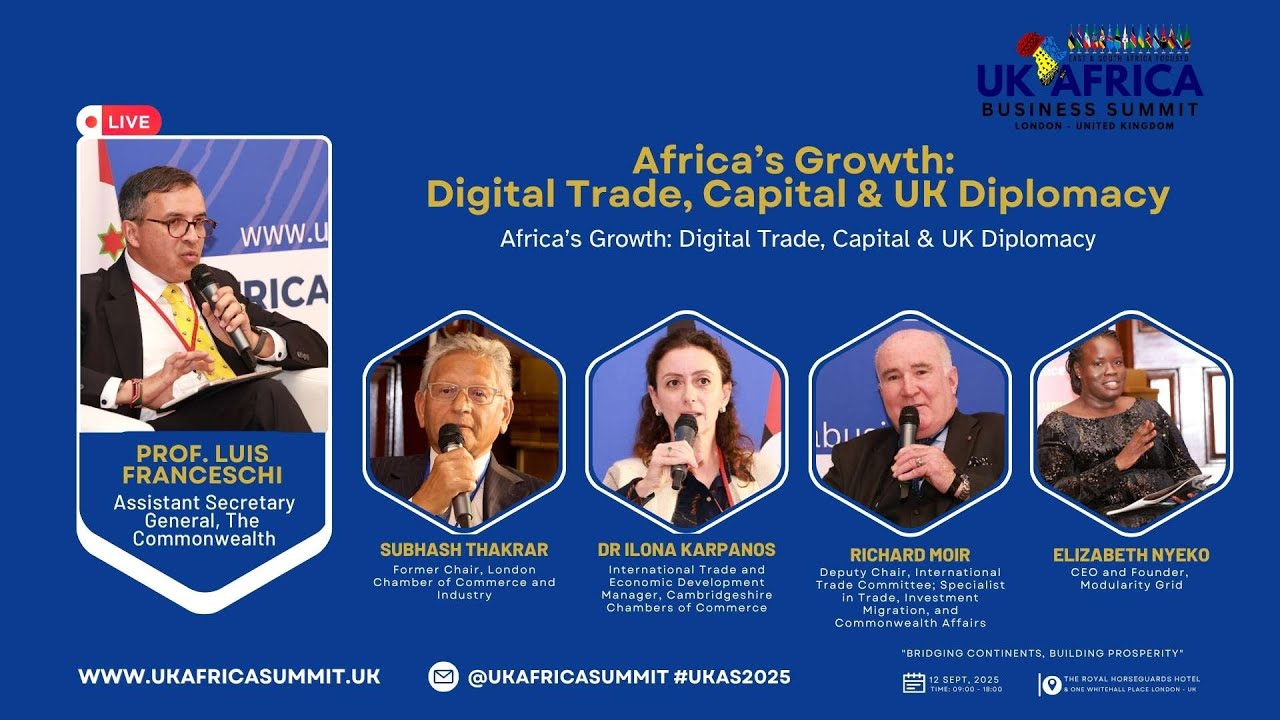
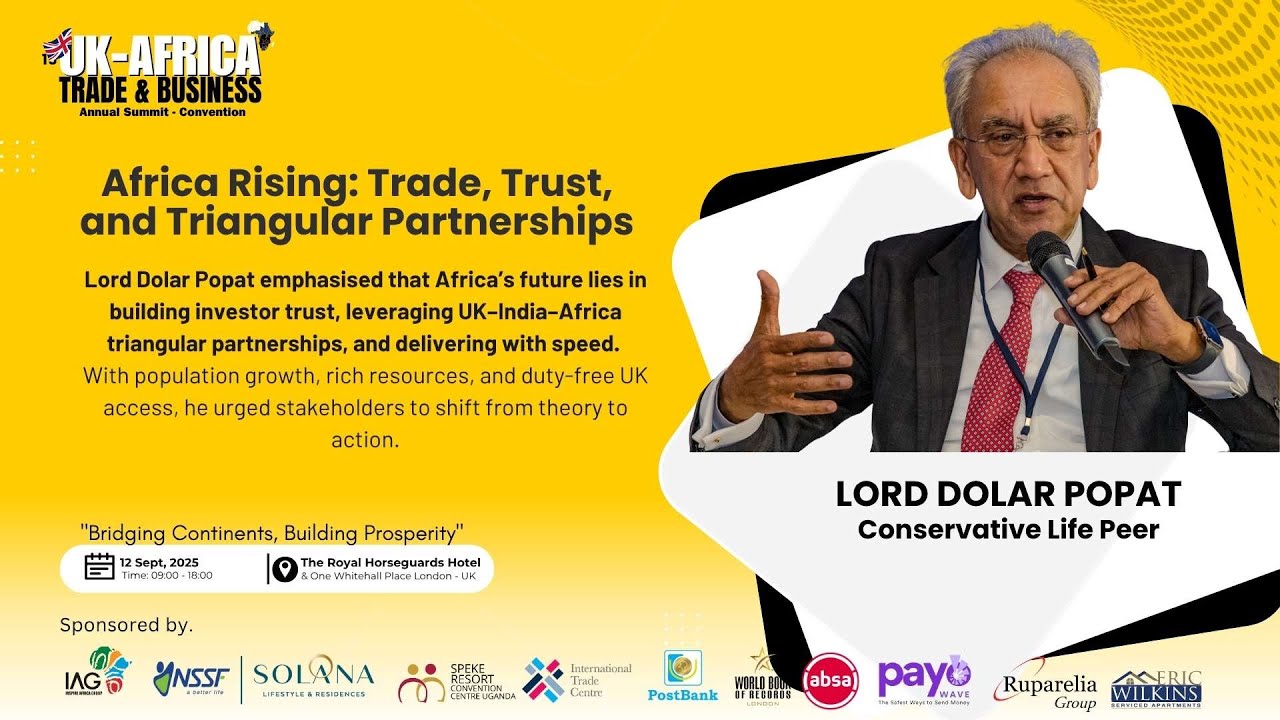
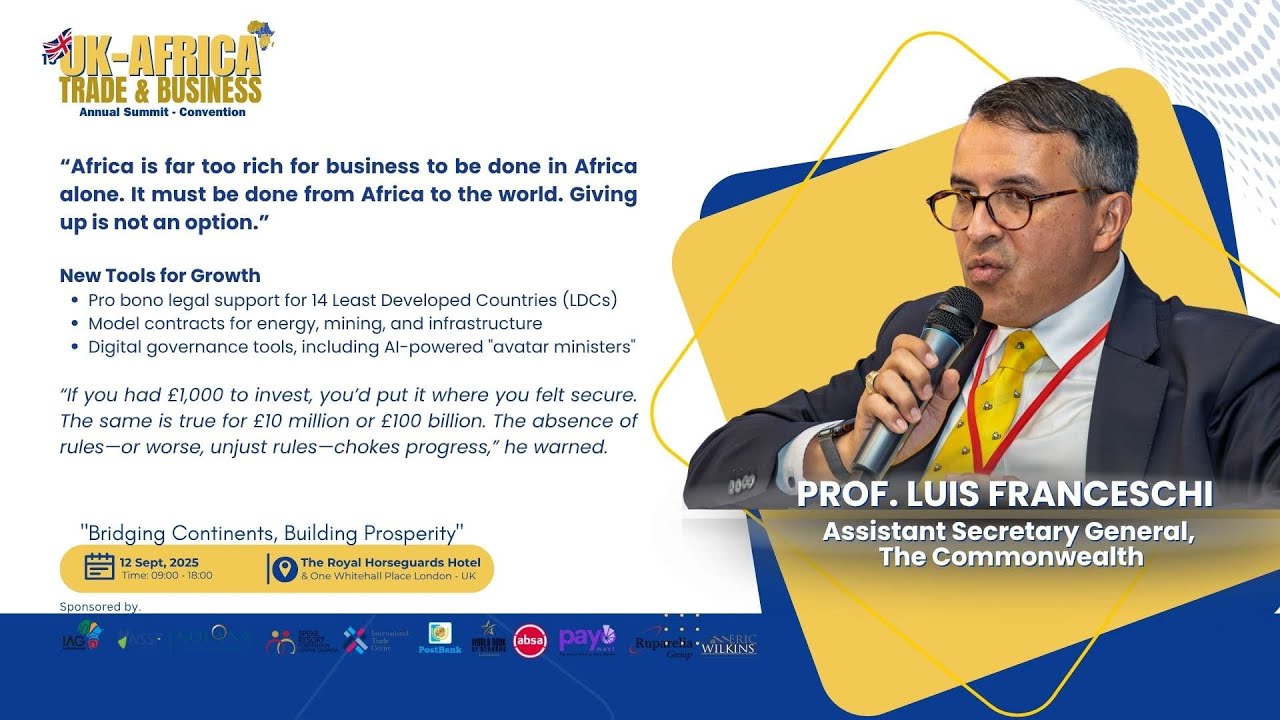
Moir’s advocacy for sovereign equity complements Prof. Luis Franceschi’s “rules before capital” framework and Lord Dolar Popat’s investor-confidence agenda — forming a tri-lens for Africa’s financial diplomacy. Franceschi lays the legal foundation through rule-based governance, Moir introduces financial innovation through sovereign equity, and Lord Popat operationalises trust through diplomacy and policy predictability.
Together, they define Africa’s shift from aid dependency to sovereign capital empowerment, grounded in transparency, macroeconomic discipline, and cross-Commonwealth collaboration.
“Africa doesn’t just need more capital — it needs smarter rules, sovereign equity, and trust-based trade.” — Richard Moir
Cross-Reference Summary: Investment Confidence & Policy Reform
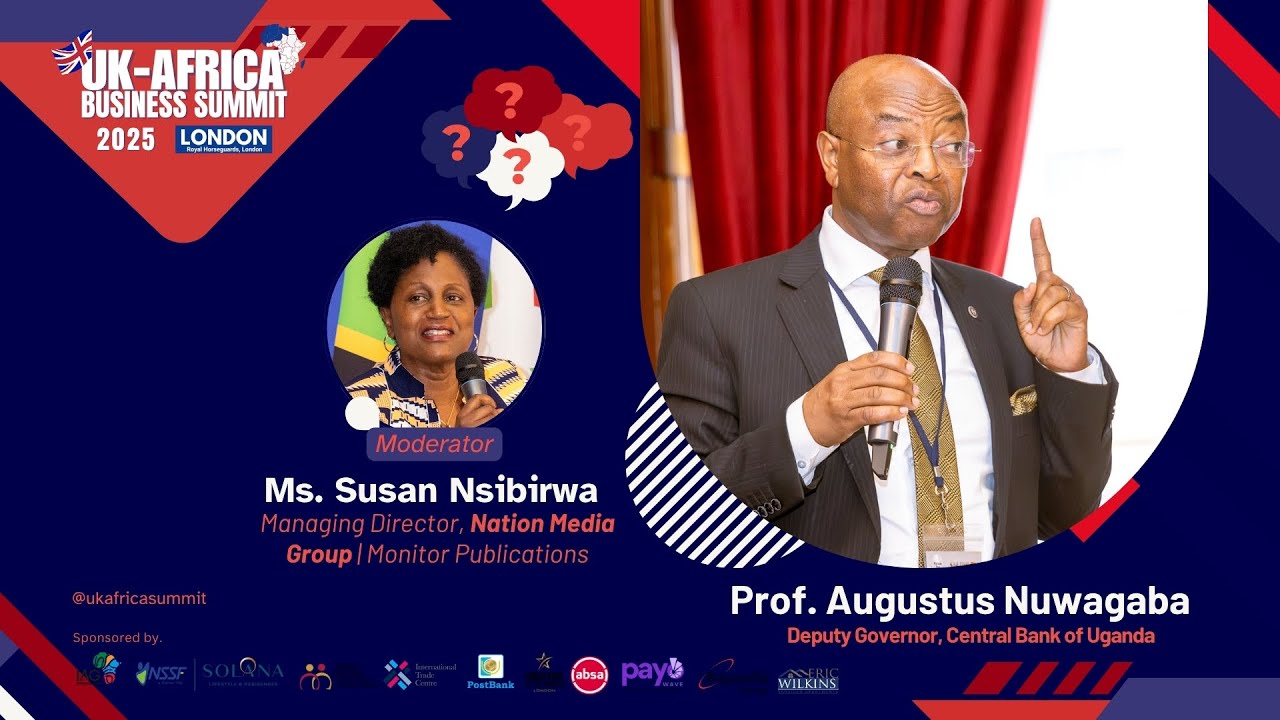
Moir’s concept of sovereign equity aligns seamlessly with Prof. Augustus Nuwagaba’s macroeconomic stability model and Hon. Francis Mwebesa’s trade facilitation agenda — together forming a coherent investment confidence framework for Uganda and Africa at large. Innovation fuels confidence, discipline sustains it, and trade converts it into tangible prosperity.
Conclusion
Richard Moir’s intervention reframed Africa’s capital conversation around innovation, trust, and sovereignty. By integrating digital trade, sovereign equity, and Commonwealth cooperation, he positioned Africa not as a passive recipient of global finance but as a co-architect of a new, rules-based global financial order.
“Africa’s competitiveness will not be built on aid — but on equity, integrity, and partnership.” — Richard Moir