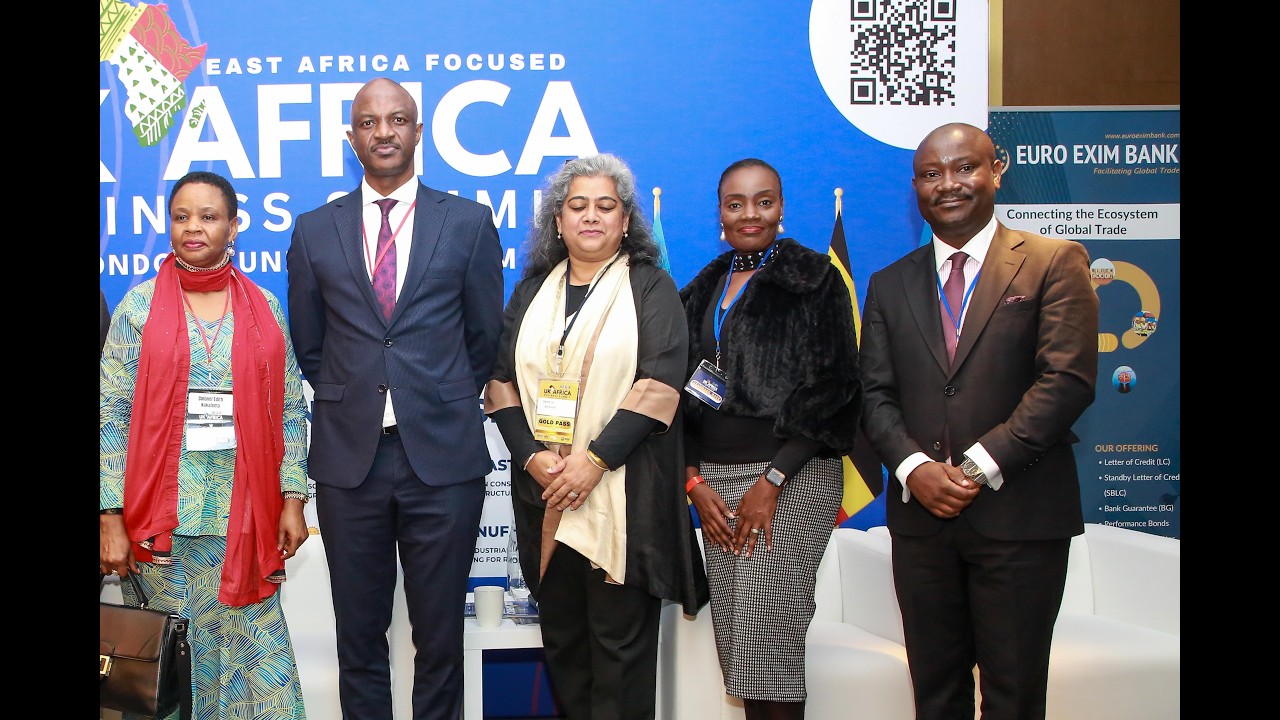
📍 UK–Africa Business, Trade & Investment Summit 2025
📅 12 September 2025 | The Royal Horseguards Hotel & One Whitehall Place, London
The 15th UK–Africa Business, Trade & Investment Summit in London set the stage for a defining discussion on the decade ahead — the growing strategic importance of India and Indian-led conglomerates in shaping Africa’s next phase of industrialisation, value addition, and trade resilience.
Among the top CEOs and private sector dignitaries in attendance were Preet Singh Chauhan, CEO of Preet EPC Pvt. Ltd. (Preet Group), a global leader in steel and rolling-mill technology; Dr Kalpesh Patel, CEO of Steelmakers Ltd, one of East Africa’s largest integrated steel producers; and Majid Mangalji, President of Westmont Hospitality Group, one of the world’s leading privately owned hotel management and investment companies. They were joined by Dr Sudhir Ruparelia, Founder and Chairman of the Ruparelia Group, whose success represents the strength of Indian enterprise and long-standing investment in Uganda.
Their participation, alongside global and Commonwealth leaders, reflected a renewed era of South–South cooperation and underscored the expanding influence of Indian business leadership in Africa’s private sector. Together, these executives symbolise a growing network of companies advancing industrialisation, infrastructure, renewable energy, and hospitality across the continent.
Global Realignment: The Strategic Shift from West to East
The reintroduction of tariff barriers by the United States and the restructuring of global supply chains have accelerated the movement of trade and investment influence from the West toward Asia. As Western economies focus on domestic manufacturing and protectionist trade policies, India has emerged as both a global manufacturing hub and a strategic partner for Africa’s development.
📦 Lord Dolar Popat, UK Prime Minister’s Trade Envoy to Uganda, Rwanda, and the DRC:
“Africa and India are natural partners in this new global order. As the West turns inward, India’s diaspora networks, industrial expertise, and financial capital are ideally placed to drive Africa’s industrialisation and trade growth.”
|
Why India Matters for Africa’s Growth
India’s partnership with Africa is built on mutual respect, shared priorities, and complementary strengths:
- Industrial Expertise – Indian conglomerates bring world-class engineering and manufacturing experience that supports Africa’s transition from raw material exports to local production and value addition.
- Financial Connectivity – Diaspora-led investors and financial institutions are bridging capital gaps for African enterprises and SMEs.
- Shared Development Vision – India’s success in renewable energy, low-cost infrastructure, and digital innovation provides scalable models for African economies.
- Cultural and Historical Ties – Deep-rooted trade, cultural, and Commonwealth connections foster trust and partnership between India and Africa.
Dr Sudhir Ruparelia embodies this partnership. Through investments spanning education, banking, real estate, and hospitality, he has built enterprises that drive employment, innovation, and long-term growth in Uganda — illustrating how Indian entrepreneurship continues to transform Africa’s business landscape.
Africa’s Moment: Turning Global Shifts into Strength
Summit discussions concluded that Africa must harness global trade realignment to drive self-reliance and sustainable growth through strategic partnerships.
📊 Key Priorities for the Next Phase
- Local Manufacturing – Deepen collaboration between Indian and African industries to strengthen regional value chains.
- Green Energy Transition – Expand renewable energy cooperation, building on India’s success in solar and bioenergy technologies.
- Technology Transfer – Accelerate skills development and innovation in ICT, fintech, and logistics through Indian partnerships.
- Investor Protection – Reinforce investment frameworks such as Uganda’s State House Investors Protection Unit (SHIPU) to secure investor confidence.
- Regional Integration – Leverage the AfCFTA to harmonise trade regulations and attract sustained Indian investment into regional markets.
📦 Subhash V. Thakrar, OBE, Past Chair, London Chamber of Commerce:
“Indian and African businesses are natural allies. India has the experience and scale, while Africa has youth and resources. Together, they can reshape global value chains at a time when the West is stepping back from open trade.”
|
Looking Ahead: Building a Shared Future
The emerging world order presents a unique opportunity for deeper cooperation between India and Africa. As global supply chains diversify, Africa’s abundant natural resources, youthful population, and reform-driven economies position it as the next frontier for Indian investment and collaboration.
📦 Willy Mutenza, Chairman of the UK–Africa Business Summit:
“The new trade reality calls for new alliances. India’s relationship with Africa is one of partnership, not aid. With shared investment, technology, and trust, Indian and African industries can build resilience against global shocks and lead sustainable growth for decades to come.”
|
India’s partnership with Africa is not a new story — but as global economic power shifts eastward, it is fast becoming the defining narrative of the next decade in international trade.