What Africa Can Learn from ASEAN’s 2025 Summit Deals: Converting Geopolitics into Value-Added FDI
By Willy Mutenza — Chairman, UK–Africa Business Summit
The ASEAN Summit held in Kuala Lumpur on 26–27 October 2025 produced a cluster of deals with direct relevance for Africa’s investment strategy.
A tentative US–China “framework” to avoid new tariffs and ease restrictions on critical inputs signaled a de-escalation in the trade war — reducing uncertainty for manufacturers planning multi-year capital expenditure. Malaysia also signed a critical minerals MoU with the US, clarifying export policies.
Meanwhile, Thailand and Cambodia codified a ceasefire (the Kuala Lumpur Peace Accord), and former President Trump met Brazil’s President Lula to initiate a potential US–Brazil trade deal. These developments highlight a common theme: regional stability, rules clarity, and strategic resource alignment attract and retain FDI.
Source: The Washington Post
Anchor Lesson from ASEAN’s Growth Model: Value Addition Drives Durable FDI
ASEAN’s shift from raw exports to complex manufacturing has delivered results:
- Foreign value-added in exports rose 43% (2015–2018 vs 2020–2022)
- Domestic value-added increased by 36%
This reflects deeper integration into high-value production networks. Africa must follow suit.
President H.E. Yoweri Kaguta Museveni’s domestic value-addition policy for oil, minerals, and agriculture aligns with this strategy. Supporting Uganda’s regulation is not “protectionist” — it is investment-grade industrial policy.
Key Lessons from the 2025 ASEAN Deals
-
Tariff de-risking as an FDI magnet:
The US–China framework reduces planning risk. African blocs like EAC, SADC, and ECOWAS should emulate this via AfCFTA tariff-stability pacts for sectors like EV components and agro-processing.
Washington Post
-
Critical minerals: Clarity beats quotas:
Malaysia’s MoU avoids bans and promotes fast-tracking. African nations like the DRC, Zambia, and Zimbabwe should publish transparent export rules and processing timelines.
The Star
-
Peace agreements unlock projects:
The Thailand–Cambodia ceasefire shows how stability drives investment. Africa should promote regional peace to lower infrastructure and logistics risk.
Reuters
-
Diversify beyond the region:
Trump–Lula talks show a rise in South–North cooperation. Africa can pursue triangulated trade with blocs like AfCFTA + US/EU + Brazil/India for strategic sectors like coffee, batteries, and logistics.
Reuters
-
Inclusion and staged integration matter:
Timor-Leste’s phased ASEAN entry shows the value of inclusive regionalism. AfCFTA should support smaller African states with capacity-building and compliance aid.
AP News
From ASEAN Policy to Africa’s Execution Plan
- Boost regional supply-chain resilience: Implement single-window customs and e-transit systems across key trade corridors. Prioritize infrastructure PPPs with measurable KPIs (e.g., cold-chain efficiency).
- Enhance SME participation: Build supplier development programs in SEZs and use fintech to provide invoice discounting and working capital.
- Promote green investment frameworks: Create green SEZs powered by renewables, and embed ESG criteria into investment codes.
- Align national and regional FDI policies: Model after ASEAN’s AEC Strategic Plan by developing an AfCFTA-wide FDI facilitation code.
- Expand PPPs and regional logistics coordination: Establish Corridor Authorities to streamline customs, roads, and standards — supported by shared revenue models to attract investment.
Uganda’s Value-Addition Strategy in Context
Uganda’s push to process oil, minerals, and agri-products domestically fits the ASEAN model of value upgrading. Pairing this with SEZ clusters, supplier matchmaking, and skills training can build long-term industrial resilience.
Echoing the Call for Intra-African Trade
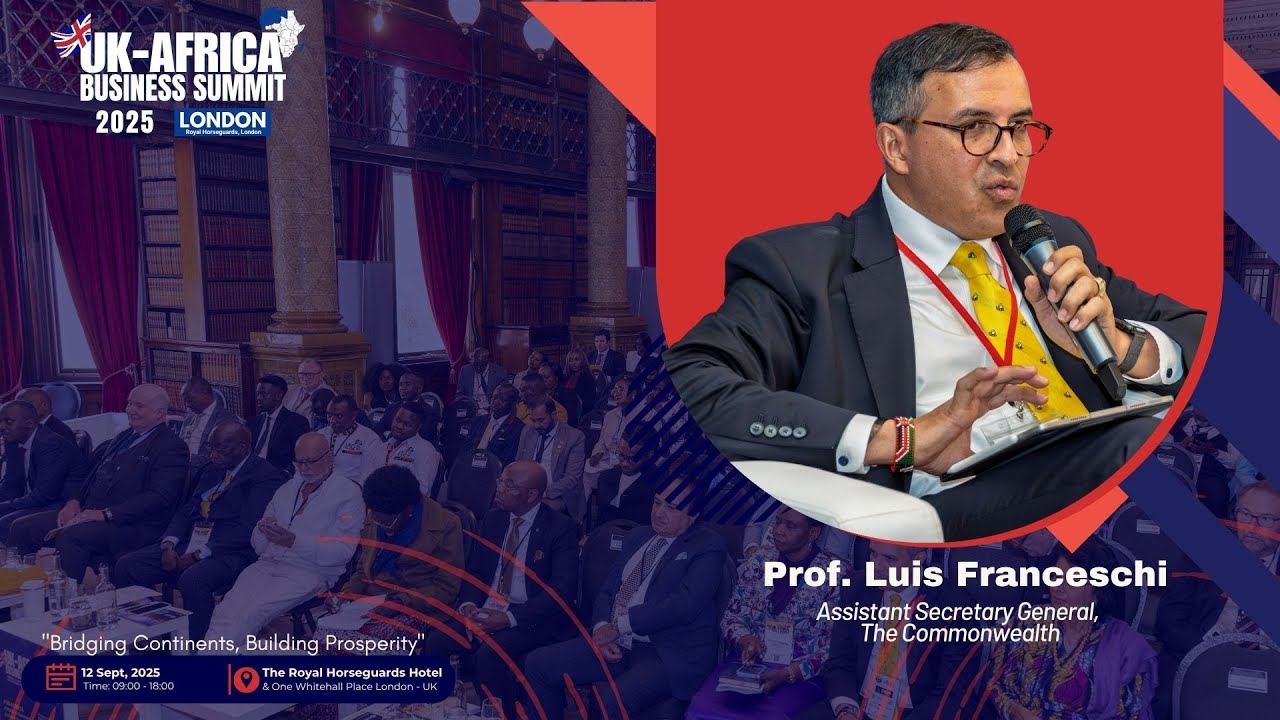
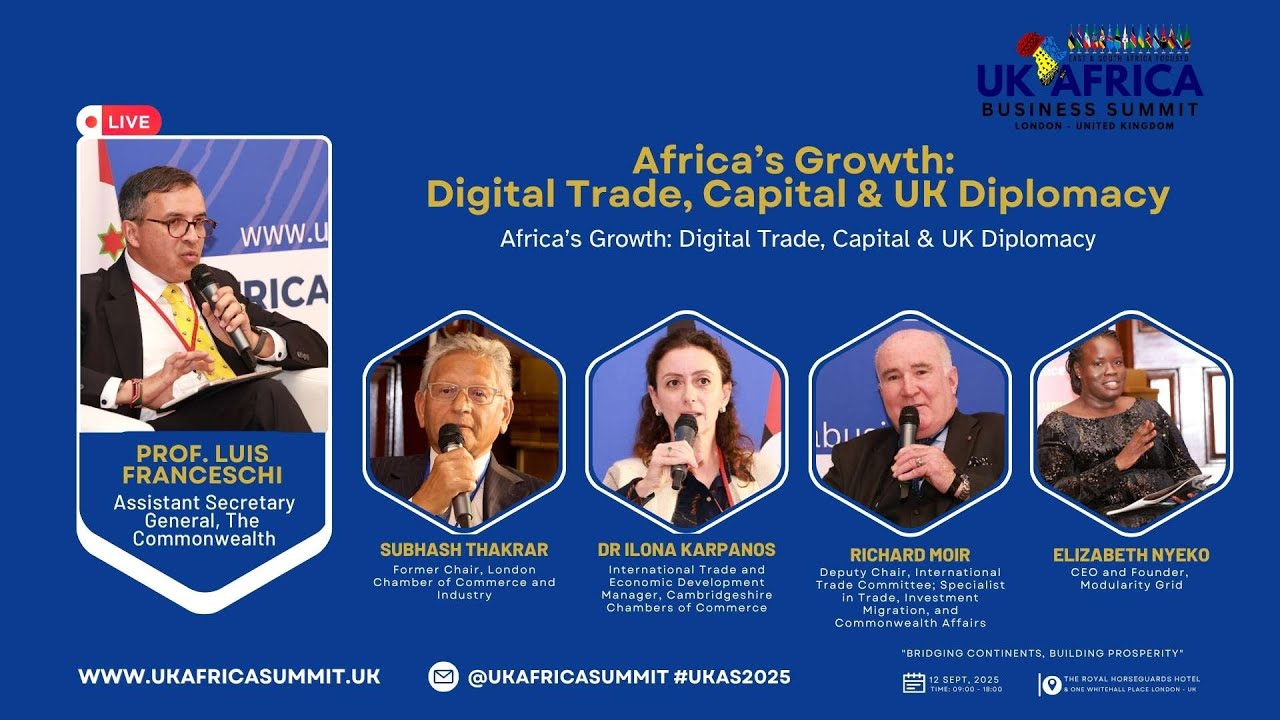
At the UK–Africa Summit, Prof. Luis Franceschi emphasized accelerating intra-African trade. ASEAN’s integrated models — RCEP, AEC, DEFA, and ASW — show how digital customs, harmonized standards, and cross-border payments can drive transformation under AfCFTA.
Bottom Line
To replicate ASEAN’s FDI resilience, Africa must act on four fronts:
- Build digital and physical trade corridors
- Support SME financing and integration
- Develop green and climate-aligned investment laws
- Create a unified FDI code to reduce investor uncertainty
Combined with transparent mineral policies and peace-first diplomacy, these measures can transform Africa’s geopolitical assets into factories, exports, and jobs — just as ASEAN has done.
Primary Reference: ASEAN Investment Report 2025 – Foreign Direct Investment and Supply Chain Development (ASEAN Secretariat & UNCTAD, Oct 2025).
Sources